

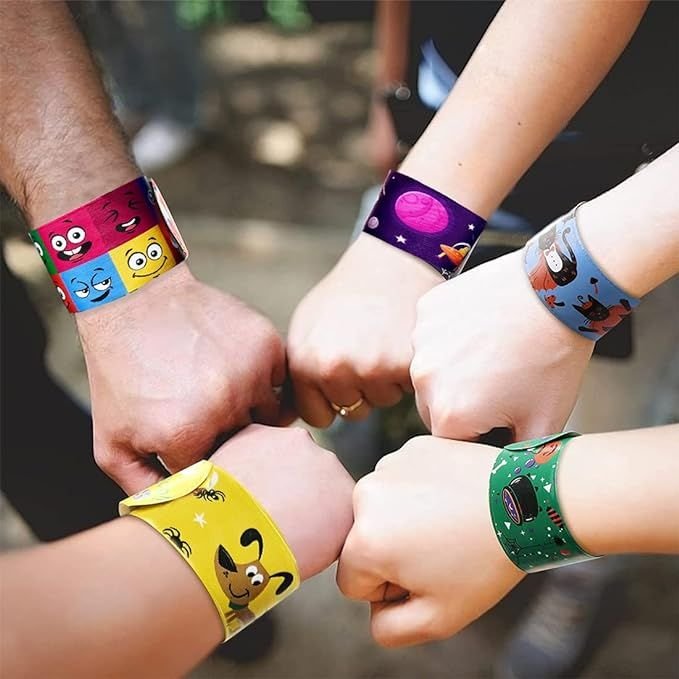
Wristbands for kids come in many styles, from colorful silicone bracelets to personalized name bands, sports sweatbands, and identification wristbands. The right choice depends on how a child will use the band, how long it needs to be worn, and what features matter most to the family.
Some children want bracelets that match their clothes. Others need a team accessory, a party wristband, or a band that displays emergency contact information. Choosing only by color or price can lead to a poor fit, hard to read text, or a material that does not suit the intended activity.
This guide explains the main types of wristbands for kids, what to check before buying, and how to compare designs for everyday wear, gifts, sports, events, and identification.
In this guide, you will learn:
- Which wristband types are available for children.
- How silicone, fabric, and disposable materials differ.
- How to choose the right size and fit.
- What to consider when personalizing a wristband.
- How to compare prices, uses, and practical features.
- How to choose an ID wristband with privacy in mind.

What Are Wristbands for Kids?
Wristbands for kids are bands worn around a child’s wrist for decoration, team identity, events, gifts, or identification. They can be made from silicone, fabric, paper based materials, or plastic, depending on the intended use.
A reusable silicone bracelet may suit everyday casual wear, while a fabric sweatband is designed for physical activity. A disposable event band may help staff identify guests, and an ID wristband may display a parent’s phone number or relevant medical information.
The best option is not always the one with the most features. It is the one that fits the child’s wrist, suits the activity, and provides the information or style the family needs.
Why do children wear wristbands?
Children wear wristbands for several reasons:
- Style: Bright colors, patterns, and favorite themes can make bracelets fun accessories.
- Team identity: Matching bands can help sports teams, clubs, or school groups show unity.
- Personalization: A child’s name, initials, or a short message can make a bracelet feel special.
- Events: Wristbands may identify guests at parties, camps, and school outings.
- Identification: Some bands carry emergency contact details or medical alerts.
A decorative bracelet is not a replacement for adult supervision or an effective safety plan. When a wristband is used for identification, make sure the printed information is readable and suitable for the situation.
Are wristbands and bracelets the same thing?
The terms overlap, but the intended use can differ. A bracelet is often selected as jewelry or a fashion accessory. A wristband may be designed for identification, sports, event entry, awareness campaigns, or repeated everyday wear.
Product labels are not always consistent, so read the specifications rather than relying on the name alone.
7 Popular Types of Wristbands for Kids
Different wristbands serve different purposes. Consider these seven common options before choosing a design.
1. Silicone bracelets for kids
Silicone bracelets are flexible, easy to wipe clean, and available in many colors. They are often used for gifts, school activities, awareness campaigns, and casual accessories.
Some styles are plain, while others have printed, raised, or recessed lettering. Reusable silicone bands can be a practical option when a child wants to wear the same bracelet regularly.
Check the size carefully. A band made for an adult may be too loose on a younger child. Also check the product’s material information and follow the manufacturer’s age guidance.

2. Personalized wristbands for kids
Personalized wristbands can feature a child’s name, initials, favorite color, short message, or custom artwork. They are popular for birthdays, team gifts, school celebrations, and small group events.
Personalization methods may include printing, engraving, embossing, or debossing. The best method depends on the material and how much text needs to fit.
Keep the design readable. Long phrases may look crowded on a narrow band. For a gift, a first name, initials, or a short positive message can be enough.
Personalized wristbands can make gifts and group activities more memorable.
If you want to explore custom names, colors, and message ideas, read our detailed guide to personalized wristbands for kids.
3. Sports wristbands for kids
Sports wristbands include fabric sweatbands and other bands used during practice or games. Sweatbands are usually made from absorbent or moisture managing fabric. They may help absorb sweat around the wrist, but they do not replace proper hydration or other sports equipment.
Look for a comfortable fit, soft edges, suitable stretch, and care instructions. A wristband that feels too tight or becomes uncomfortable when wet is unlikely to be a good choice.

Choosing a wristband for sports requires attention to comfort, fabric, sweat absorption, and washing instructions.
Our guide to sports wristbands for kids explains these features and how to compare options for practice and games.
4. Kids’ ID wristbands
ID wristbands display information that may help identify a child or contact a caregiver. Depending on the design, they may include a parent’s phone number, allergy information, or other essential details.
Some use write on surfaces, while others use printed or engraved text. A QR code band may link to a digital profile, but it depends on a working phone, a readable code, and access to the linked information.
Before buying, check what information is visible to anyone who sees the band. Avoid placing a child’s full address or unnecessary personal information on an openly visible wristband.
When a wristband is intended to display emergency contact details or important medical information, readability and privacy matter. Learn more in our guide to kids ID wristbands, including ID styles, contact information, and privacy considerations.
5. Fabric wristbands
Fabric wristbands can be woven, stitched, or made from stretchy textile materials. They are used for sports, clubs, camps, and events. Depending on the design, they may feel softer than a rigid band.
Fabric types differ in thickness, stretch, absorbency, and drying time. Check whether the band is washable and whether the closure is adjustable. Not every event wristband is designed to be removed and reused.
6. Disposable event wristbands
Disposable wristbands are often made for parties, school events, camps, fairs, or venues where staff need a quick way to identify participants. Some are paper based, while others use plastic or synthetic materials.
These are usually selected for a specific event rather than everyday fashion. Confirm whether the band is single use, water resistant, or designed to stay in place for a set period.
Do not assume that every event wristband is secure or suitable for identifying a child in an emergency. Check the product’s intended use.
7. Adjustable and reusable wristbands
Adjustable bands use a closure, sliding mechanism, or other design to fit different wrist sizes. They can be useful when exact sizing is difficult, but the adjustment must be secure and comfortable.
Reusable wristbands may suit clubs, repeated activities, or regular wear. Check whether the material can be cleaned and whether the closure remains secure with normal use.
How to Choose Wristbands for Kids
The simplest way to choose is to start with the purpose, then compare fit, material, design, and maintenance.
Step 1: Decide how the wristband will be used
Write down the main purpose before comparing products.
- For fashion, look at colors, patterns, and comfort.
- For a gift, consider personalization and the child’s interests.
- For sports, focus on absorbency, stretch, and washability.
- For events, check single use or reusable construction.
- For identification, prioritize readable information and privacy.
Step 2: Check the size
Measure the child’s wrist using a flexible measuring tape or a strip of paper. If using paper, mark where the ends meet and measure the marked length with a ruler.
Compare that measurement with the manufacturer’s size chart. Do not rely on age alone because children’s wrist sizes vary.
A suitable wristband should not pinch the skin or slide off easily. Check the fit again after the child puts it on and moves their hand normally.
Step 3: Choose the material
Consider where and how long the child will wear the band.
- Silicone is flexible and usually easy to clean.
- Fabric can feel soft and may absorb sweat.
- Disposable materials suit short events.
- Plastic or vinyl options may be designed for specific event uses.
No single material is best for every child or activity. If the child has sensitive skin, review the material details and stop using the band if irritation develops.
Step 4: Review the design and text
For decorative bands, choose colors and artwork the child enjoys. For personalized or ID wristbands, prioritize readability over decoration.
Before ordering a custom product, check spelling, character limits, font size, and the placement of the text. Confirm that the supplier shows the final design clearly.
Step 5: Check care and durability
Read the cleaning instructions before buying. Some silicone bands can be washed with mild soap and water, while some fabric styles require specific washing instructions. Disposable event bands may not be suitable for repeated cleaning or reuse.
Step 6: Compare the total cost
The listed price may not include customization, shipping, setup charges, or minimum order quantities. For group orders, compare the total cost for the number of wristbands you need rather than only the price per band.
Step 7: Review seller details
Check product dimensions, material descriptions, delivery estimates, return terms, and customer reviews. For custom orders, confirm whether a digital proof is provided before production.
Pro Tip: Choose the use first and the design second. A stylish wristband is not a good choice if it is too loose, hard to clean, or unsuitable for the intended activity.
Wristband Materials, Sizes, and Designs
Which wristband material is best?
The best material depends on the activity, comfort, and expected length of wear. Use the comparison below as a starting point, then confirm the specifications of the product you plan to buy.
| Material or style | Common use | Main advantage | What to check |
|---|---|---|---|
| Silicone | Casual wear, gifts, awareness | Flexible and reusable | Size and material details |
| Fabric | Sports, clubs, events | Soft or absorbent options | Washing and drying |
| Paper based | Short events | Simple event identification | Water resistance and disposal |
| Plastic or vinyl | Certain event uses | Options designed for specific durations | Closure and intended use |
| Adjustable band | Different wrist sizes | Flexible fit | Closure security and comfort |
Which colors and designs should you choose?
Children may prefer bright colors, favorite themes, simple patterns, or bands that match a sports team. For group use, color coding can help adults distinguish groups, but it should not be the only method used when accurate identification matters.
For personalized bracelets, choose a color that makes the text easy to read. Light lettering on a light background or tiny text around a narrow band may be difficult to see.
How should a wristband fit?
The band should fit securely without squeezing the wrist. A loose band may slip over the hand, while a tight band may leave marks or cause discomfort.
Follow the manufacturer’s size guide and check the fit during wear. Remove the band if it causes redness, swelling, pain, numbness, or other irritation. Do not use small accessories for children who may put them in their mouths unless the product is specifically appropriate for their age and use.
Wristbands for Kids Compared
The right choice depends on the reason for buying. This table summarizes common options.
| Type | Best suited for | Reusable? | Personalization |
|---|---|---|---|
| Silicone bracelet | Casual wear and gifts | Usually | Often available |
| Personalized wristband | Gifts and group identity | Depends on material | Main feature |
| Sports sweatband | Practice and games | Usually, if washable | Sometimes |
| ID wristband | Contact or medical details | Depends on design | Often available |
| Fabric event band | Clubs and events | Depends on construction | Often available |
Recommendation: For a simple everyday accessory, start by comparing youth sized silicone bands. For sports, look for fabric designed for sweat absorption. For identification, prioritize clear information and privacy. For an event, select a band that matches the event’s duration and requirements.
Prices vary by size, customization, order quantity, and seller. Request a current quote rather than relying on a general price estimate.
Common Buying Mistakes
Choosing a band based only on age
Age can help narrow the options, but wrist sizes vary. Measure the child’s wrist and compare it with the seller’s actual dimensions.
Ignoring material and cleaning instructions
A band may look attractive but require care that does not suit daily use. Check how it should be cleaned and dried.
Adding too much text
Long names, messages, and contact details can become hard to read on narrow bands. Keep the design simple and verify the proof before ordering.
Assuming every wristband is waterproof
Water resistance varies by product. Confirm the manufacturer’s claims, especially for sports, swimming, or outdoor use.
Sharing too much personal information
An ID band should contain only the information needed for its purpose. A visible phone number may be useful in some situations, but a full home address or unnecessary personal details can create privacy risks.
Buying bulk quantities too soon
If ordering for a school, club, or party, confirm sizing, colors, spelling, delivery dates, and minimum quantities first. When possible, review a sample or digital proof before approving the full order.
A Practical Example: Choosing Wristbands for a School Event
Imagine a school organizing a field day for children from several classes. The organizers want wristbands that look cheerful, help distinguish groups, and are comfortable for the event.
A practical selection process would be:
- Decide whether the bands are needed for one day or repeated events.
- Choose a material suited to the planned duration.
- Assign colors to groups, while keeping a separate attendance list.
- Check sizes and closures before placing a bulk order.
- Avoid displaying children’s full names or home addresses.
- Confirm the delivery date and total cost.
This is a hypothetical example, not a report of a real school trial. It shows how the same product category can serve different needs when the buying criteria are clear.
Frequently Asked Questions
What are the best wristbands for kids?
The best wristbands for kids depend on their purpose. Silicone bands are common for casual wear and gifts, fabric sweatbands can suit sports, and ID bands can display contact details. Compare fit, material, readability, and cleaning instructions before buying.
Are silicone bracelets for kids a good choice?
Silicone bracelets can be a practical choice because they are flexible and usually easy to clean. Check the size, product details, and age guidance. Remove the bracelet if it causes irritation or discomfort, and keep small accessories away from children who may put them in their mouths.
How do I choose the right size for kids’ wristbands?
Measure the child’s wrist with a flexible measuring tape and compare the result with the seller’s size chart. Age ranges are only a guide. The wristband should stay in place without pinching or leaving marks.
Can I personalize wristbands for kids?
Yes. Many suppliers offer names, initials, short messages, logos, and color choices. Check the available printing method, character limit, text readability, and digital proof before confirming the order.
What are sports wristbands for kids used for?
Sports wristbands may absorb sweat, support team identity, or act as an athletic accessory. The function depends on the product. Check the fabric, fit, wash instructions, and whether the band is designed for the sport.
Are kids’ ID wristbands useful?
ID wristbands can display a caregiver’s contact number or other relevant details. They may help someone contact a caregiver, but they do not replace supervision or an emergency plan. Keep visible personal information limited to what is necessary.
Are wristbands for kids waterproof?
Some silicone, plastic, or fabric wristbands may resist water, but the level of protection varies. Read the product specifications instead of assuming that every band can be worn while swimming or bathing.
How much do wristbands for kids cost?
The cost depends on material, quantity, personalization, printing method, and shipping. Bulk orders may have a lower per item price but can require a minimum quantity. Compare the total order cost and confirm all additional fees.
Can kids wear wristbands every day?
Some reusable wristbands are designed for regular wear, but comfort and material matter. Follow care instructions, check the skin regularly, and remove the band if it becomes tight, damaged, dirty, or irritating.
What information should go on a child’s ID wristband?
Only include information that serves a clear purpose, such as a caregiver’s phone number or a relevant medical alert. Avoid unnecessary personal details. Make sure the text is readable and review the privacy practices of any linked digital profile.
Conclusion
Wristbands for kids are available in many styles, including silicone bracelets, personalized bands, sports sweatbands, fabric wristbands, event bands, and ID options. The best choice depends on how the child will use the band.
Start by identifying the purpose, then check the material, size, comfort, care instructions, and total price. If the wristband includes personal information, keep privacy in mind and use only the details needed for its purpose.
Next steps:
- Measure the child’s wrist before ordering.
- Compare at least two products with suitable materials and features.
- Review personalization details, delivery terms, and care instructions.
Choose a wristband that fits the child and the activity, not just the design.
Author Bio and Editorial Disclosure
This article was written and researched by Aasma Shahzad, drawing on published information from sources including the American Academy of Pediatrics, Children’s Hospital of Philadelphia (CHOP), and the Federal Trade Commission (FTC). It covers wristband types, child identification, emergency contact information, and privacy considerations to help parents make informed choices. This content is for general informational purposes. Information reviewed against available sources as of October 18, 2026.
References
- Wristbands.com, Wristband Buying Guide: https://www.wristbands.com/pages/wristband-buying-guide
- Children’s Hospital of Philadelphia, ID Bracelets: https://www.chop.edu/centers-programs/safety-center/id-bracelets
- WristCo, Youth Silicone Wristbands: https://www.wristco.com/products/youth-silicone-wristbands
- Stuck On You, Custom Silicone Wristbands: https://www.stuckonyou.com/us/custom-silicone-wrist-bands-large
2 thoughts on “Wristbands for Kids: 7 Popular Types and How to Choose”