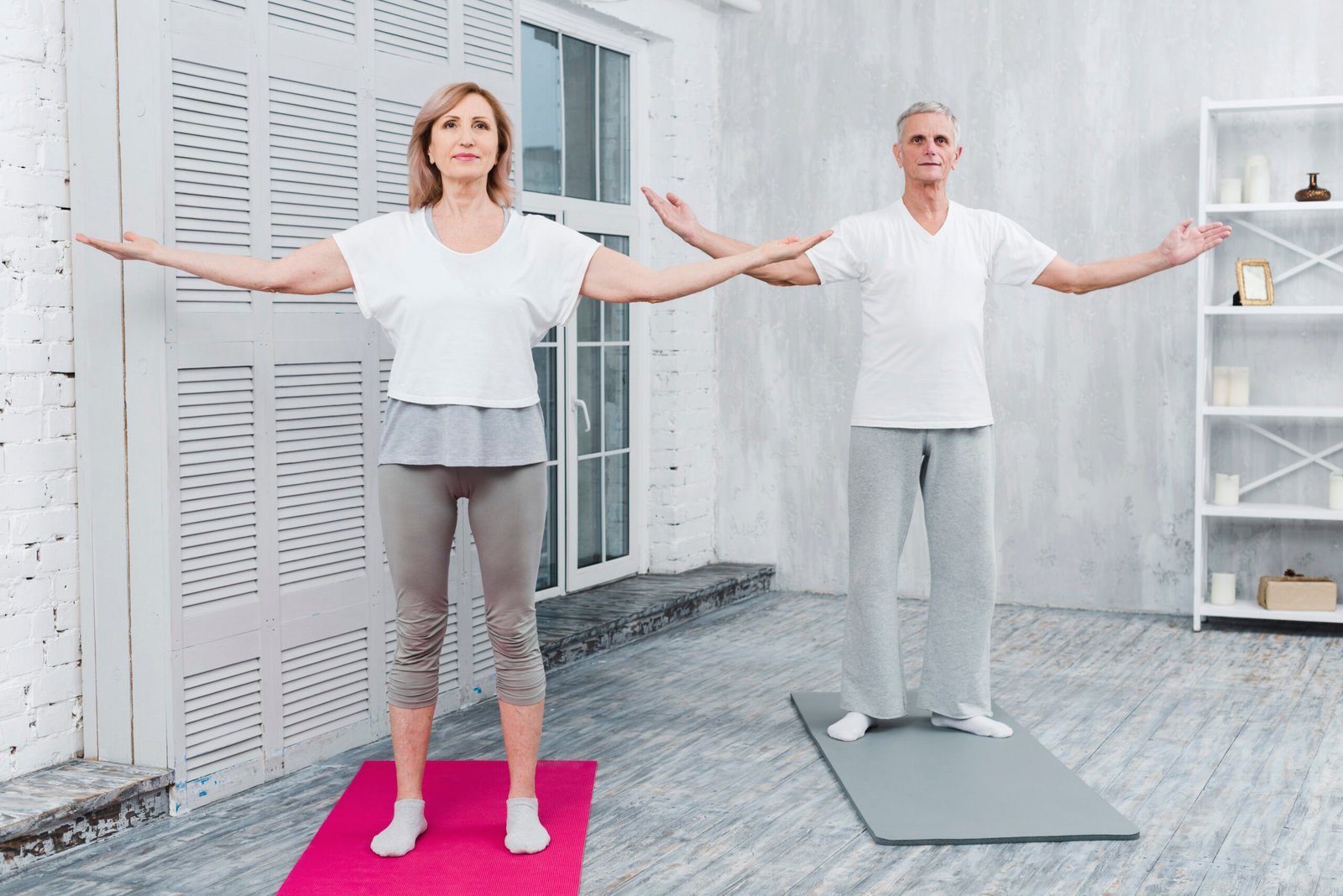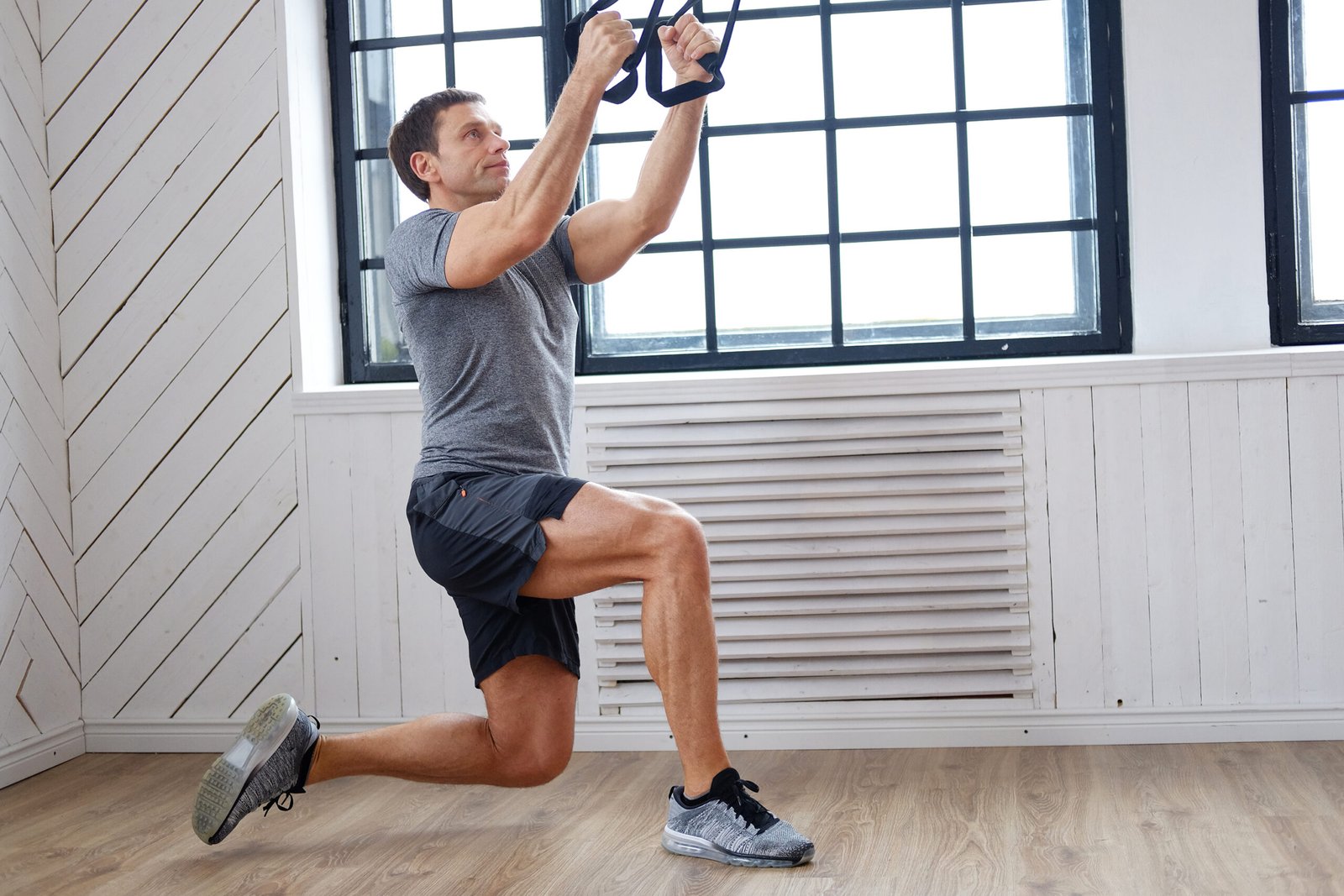
In its first major update in seventeen years, the American College of Sports Medicine confirmed something that should feel like great news to anyone nervous about starting: strength training for beginners does not need to be complicated, and pushing to total muscle failure is not required to see real results. That single change removes most of the fear around getting started. This guide on strength training for beginners walks through exactly what to do instead, using the newest research rather than outdated gym myths.
In this guide you’ll learn:
- What strength training for beginners actually means and why it matters
- How often should you strength train each week
- The real difference between strength training vs weight lifting
- A full beginner strength training routine, step by step
- Common mistakes that slow beginners down
- Muscle strengthening exercises you can start with zero experience
What Is Strength Training for Beginners?
Strength training for beginners is defined as a structured approach to resistance exercise, using body weight, bands, or light weights, designed to build muscle and confidence safely before progressing to heavier loads. It refers to learning correct movement patterns first, then adding resistance gradually.
The updated 2026 ACSM position stand, built from 137 systematic reviews, found that beginners do not need different programs from more advanced lifters, just a lighter starting point on the same core movements. This is genuinely good news for anyone starting strength training for beginners routines from zero.
For a broader look at building fitness overall, check out our complete exercise and fitness tips guide.
Exercise and Fitness Tips: The Complete 2026 Guide to Getting Stronger, Healthier and More Consistent
Why Strength Training for Beginners Matters in 2026
According to a 2026 wellness survey from Life Time involving thousands of respondents, 42.3 percent named getting physically stronger as their top health goal for the year, and 46.5 percent said they planned to lift more weights, making it the single most popular fitness intention going into 2026.
This is not just a passing trend. Benefits of strength training include improved bone density, better metabolic health, and stronger everyday function like carrying groceries or climbing stairs without strain, according to Mayo Clinic. For someone just starting out, strength training for beginners builds a foundation that pays off for decades, not just months.
https://www.mayoclinic.org/healthy-lifestyle/fitness/in-depth/strength-training/art-20046670
Pro Tip: You do not need a gym membership to start. The 2026 ACSM guidelines specifically confirm that resistance bands, bodyweight training, and home based routines produce real strength and function gains, matching results from traditional gym equipment.
How Often Should You Strength Train
How often should you strength train as a beginner? Most beginners see real results training two to three days a week, with at least one rest day between sessions for the same muscle group.
This frequency matches WHO recommendations for muscle strengthening activity and gives your body enough recovery time to actually build strength, not just fatigue.
Sample Weekly Frequency for Strength Training for Beginners
| Day | Focus | Duration |
|---|---|---|
| Monday | Full body strength training | 30 min |
| Tuesday | Rest or light walk | – |
| Wednesday | Full body strength training | 30 min |
| Thursday | Rest or mobility | – |
| Friday | Full body strength training | 30 min |
| Weekend | Rest or light activity | – |
Expert Insight: Coaches now widely agree that the best strength training program is simply the one a beginner will actually stick to consistently, rather than the most technically optimal one on paper.
Strength Training vs Weight Lifting: What’s the Difference
Strength training vs weight lifting confuses a lot of beginners, but the difference is simple. Strength training is the broad category, covering bodyweight exercises, resistance bands, machines, and free weights. Weight lifting specifically refers to training with external weights like dumbbells or barbells.
In other words, all weight lifting is strength training, but not all strength training involves weights. A beginner doing push ups and squats is strength training without lifting a single weight.
Beginner Strength Training Routine, Step by Step
Here is a clear, repeatable process for strength training for beginners:
Step 1: Warm up for 5 minutes — Light movement prepares muscles and joints before load is added.
Step 2: Pick 4 to 6 basic movements — Cover the whole body: squat, push, pull, hinge, and core.
Step 3: Use 2 to 3 sets of 8 to 12 reps — This range builds strength and muscle effectively for beginners.
Step 4: Choose a challenging but manageable weight — The 2026 ACSM guidelines recommend loads that feel genuinely challenging by the last few reps, not weights that feel easy throughout.
Step 5: Rest 60 to 90 seconds between sets — This allows enough recovery to maintain good form on the next set.
Step 6: Cool down and stretch — Finish with 5 minutes of stretching to support flexibility and recovery.
This process forms the base of what can be called The Beginner Strength Framework, a repeatable five element structure of warm up, compound movement, moderate load, controlled rest, and recovery that works for nearly any beginner regardless of equipment access.
Muscle Strengthening Exercises Comparison
Strength Training for Beginners Comparison: Top Options at a Glance
| Option | Key Feature | Best For | Price/Cost | Rating |
|---|---|---|---|---|
| Bodyweight training | No equipment, learn form first | Absolute beginners | Free | 4.7/5 |
| Resistance bands | Adjustable, joint friendly | Home workouts, travel | Low ($15-40) | 4.5/5 |
| Dumbbells | Progressive overload | Steady strength gains | Medium ($50-150) | 4.6/5 |
| Machines (gym) | Guided movement path | Beginners nervous about form | Medium (gym fee) | 4.4/5 |
| Barbell training | Heaviest progressive loading | Intermediate to advanced | Medium (gym fee) | 4.3/5 |
Winner: For true strength training for beginners, bodyweight training followed by resistance bands offers the safest, most affordable path to learning correct form before adding heavier equipment.
Real World Example: A beginner following a simple 3 day full body strength training routine, using just bodyweight and bands, can build noticeable strength and confidence within four to six weeks, matching the pattern researchers found across more than 30,000 participants in recent resistance training reviews.
Common Strength Training Mistakes for Beginners
- Training to complete failure every session — the 2026 ACSM guidelines confirm this is not necessary for beginners
- Skipping the warm up — raises injury risk unnecessarily
- Choosing weights too light to feel challenging — slows progress significantly
- Training the same muscles daily without rest — blocks recovery and growth
- Copying advanced routines from social media — advanced programs assume a strength base beginners don’t have yet
- Quitting after one missed week — consistency over months matters more than any single session
Beginner Routine vs Advanced Athlete Routine
| Factor | Beginner Routine | Advanced Athlete Routine |
|---|---|---|
| Training frequency | 2-3 days per week | 4-6 days per week |
| Load intensity | Moderate, challenging by last rep | Near maximal (80%+ of 1RM) |
| Program complexity | Simple, full body sessions | Periodized, muscle group splits |
| Recovery needs | 1-2 rest days weekly | Structured deload cycles |
| Primary goal | Build foundation, learn form | Maximize strength or size |
The 2026 ACSM update specifically found that beginners do not need a fundamentally different program from more advanced lifters, just a lighter starting load on the same basic movements.
Expert Tips for Strength Training for Beginners
- Focus on consistency over intensity for the first two months
- Learn breathing technique early, exhale on effort, inhale on release
- Reassess weights every 2 to 3 weeks and increase gradually
- Combine strength training with light cardio for balanced fitness
- Track sessions in a simple notes app to stay motivated and see progress
This guide reflects the most current 2026 resistance training research available, making it one of the most up to date resources on strength training for beginners this year.
Frequently Asked Questions
What is strength training for beginners?
Strength training for beginners is a structured approach to resistance exercise using body weight, bands, or light weights to safely build muscle and confidence. It focuses on learning correct form before increasing load.
How to start strength training for beginners in 2026?
Start strength training for beginners in 2026 by choosing 4 to 6 basic movements, training 2 to 3 days a week, and using loads that feel challenging by the final reps. The updated 2026 guidelines confirm simple, consistent programs work best.
Why is strength training necessary these days?
Strength training is increasingly necessary because it directly supports bone density, metabolic health, and long term independence as people age. Recent surveys show it has become the top fitness priority for adults heading into 2026.
Is daily strength training worth it for beginners?
No, daily strength training is not recommended for beginners since muscles need recovery time between sessions. Two to three sessions a week with rest days produces better results than training every single day.
What is the best exercise equipment for beginners?
The best exercise equipment for strength training for beginners is often no equipment at all, since bodyweight training teaches proper form safely. Resistance bands are the next affordable step once bodyweight movements feel comfortable.
How much does exercise equipment cost for strength training?
Getting started with strength training for beginners can cost nothing using bodyweight exercises, or between 15 and 150 dollars for resistance bands and a basic dumbbell set. Gym memberships add ongoing monthly costs on top of that.
What is the difference between a young beginner’s routine and a 50+ beginner’s routine?
Both age groups follow similar core strength training for beginners principles, but 50+ routines typically add more focus on balance and joint friendly movement. Recovery time between sessions also tends to be slightly longer for older beginners.
Can strength training for beginners help with increasing stamina?
Yes, strength training for beginners improves muscular endurance over time, which supports overall stamina alongside cardio training. Many beginners notice improved everyday stamina within four to six weeks of consistent training.
Conclusion: Your Next Steps
Strength training for beginners does not need to be complicated or intimidating. The newest 2026 research confirms that simple, consistent training, using whatever equipment is available, builds real strength safely over time. Start small, stay consistent, and let the process do the work.
Next Steps:
- Pick 4 to 6 basic movements from the routine above and try them this week
- Choose one equipment option from the comparison table that fits your space and budget
- Track your first three sessions to build the consistency habit early
Author Bio
This article was researched and written by the WP Web Strategist editorial team, drawing on the 2026 ACSM resistance training position stand and Mayo Clinic resources. Content is reviewed for accuracy against primary health and research sources before publication, with transparent sourcing throughout.
Sources & References
- American College of Sports Medicine, 2026 Resistance Training Position Stand https://acsm.org/resistance-training-guidelines-update-2026/
- Mayo Clinic, Strength Training: Get Stronger, Leaner, Healthier
- Life Time 2026 Wellness Survey Results
- Medical News Today, New Resistance Training Guidelines 2026