

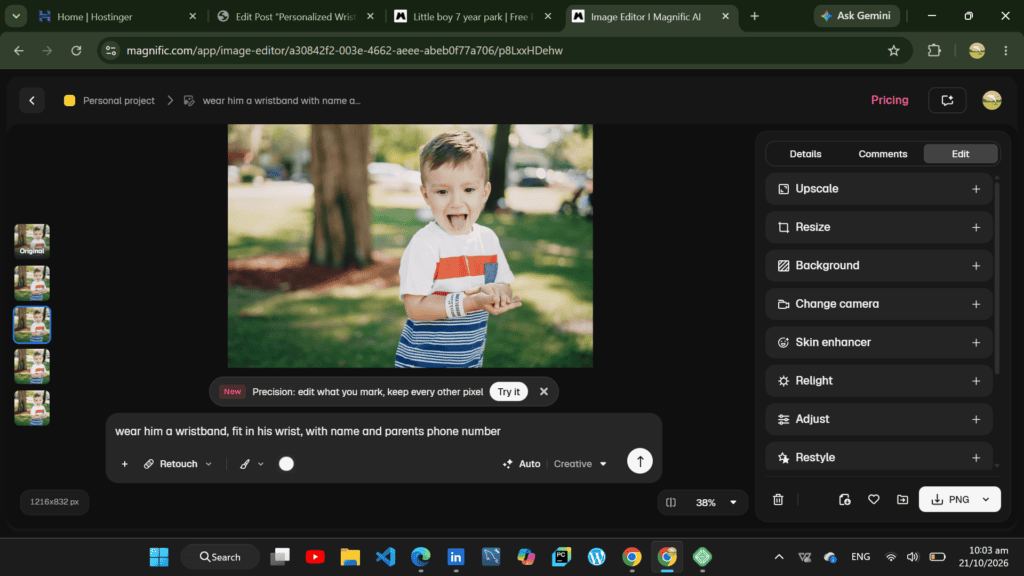
Personalized wristbands for kids look simple, but small details decide whether a band gets worn or ends up in a drawer. The wrong size slides off at recess. The wrong material itches by lunchtime. The wrong text can share more about your child than you meant to.
This guide covers what to print or engrave, which materials suit sensitive skin, which safety questions to ask a seller, and how to get the fit right. It is written for US parents, teachers, coaches, and camp organizers who are still comparing options.
Key Takeaways
- Choose the job first (name ID, allergy alert, team spirit, event entry), then the material and style.
- Keep text short and avoid full names plus addresses on everyday bands.
- Ask the seller about children’s product testing, small parts, and metal content.
- Measure your child’s wrist and compare it with the seller’s size chart. Do not guess by age.
- Medical details belong on a proper medical ID, planned with your child’s doctor.
What Are Personalized Wristbands for Kids?
Personalized wristbands for kids are bands with text, colors, symbols, or graphics chosen for one child or one group. They can be as simple as a first name on a silicone band or as specific as an allergy alert on a medical ID.
If you want the big picture before customizing, start with our main guide:
Wristbands for Kids: 7 Popular Types and How to Choose
Common Uses
Families and organizers order custom name bands for kids for a handful of reasons:
- Everyday ID: a first name and a parent’s phone number for crowded places.
- School trips and camps: group colors or names so staff can spot kids quickly.
- Allergy or medical alerts: a visible note for caregivers and first responders.
- Team and club pride: colors, mascots, jersey numbers, or slogans.
- Birthdays and events: fun, short-term bands with a child’s name or party theme.
Personalized vs. Stock Bands
A stock band is ready to wear and cheap to swap. A personalized band takes longer and may have minimum orders or no returns, because it carries your child’s details. That is why sizing, spelling, and proofing matter more than they do with a plain band.
Personalization Options: What You Can Add
Most sellers offer a few standard ways to put information on a band. Each has trade-offs for readability and durability.
Text and Numbers
Text can be pressed in (debossed), raised (embossed), printed on top, or filled with a contrasting color. Pressed-in text tends to last longer because there is no surface ink to scuff. Printed text can look sharper, but heavy washing and sun may fade it over time.
Short beats long. A first name and one phone number are far easier to read than a full line of details.
Colors, Logos, and Symbols
Color is useful for groups. A class can use one color per teacher, or a camp can use one color per cabin. Symbols such as a paw print, star, or sports icon help younger children who cannot read yet.

Medical and Emergency Details
A band that lists an allergy or condition should be treated as a medical ID, not a decoration. Nationwide Children’s Hospital notes that emergency providers are trained to check wrists first, then the neck, for a medical ID. Its guidance also suggests keeping engraving clear: for an allergy, a simple “NO” before the allergen is easy to read, and medical record numbers should stay off the ID.
If your child has a medical condition, ask their doctor what to include. A custom band from a party supplier is not a substitute for a proper medical ID.
Our guide on everyday ID bands explains how they differ from medical IDs:
Kids’ ID Wristbands: Types, Features, and Smart Choices
QR Codes and Digital Tags
Some bands carry a QR code or tag that links to an online profile. The idea is that a finder can scan it for contact details. The downside is that a code only helps if the finder has a phone, the link still works, and your privacy settings are tight. Treat a QR code as a backup to printed text, not a replacement.
Materials and Skin Comfort
Material affects comfort, durability, and how well a band handles sweat and water. The right choice depends on how and where your child will wear it.

Silicone
Silicone is the most common material for personalized wristbands for kids. It is soft, flexible, and generally easy to wipe clean. It also comes in many colors and widths, which makes it popular for schools and teams. Because silicone can trap sweat and moisture against the skin, it helps to take the band off and dry the area from time to time.
Fabric, Woven, and Hook-and-Loop Bands
Woven or fabric bands feel softer and breathe better, which suits kids who dislike the “rubber” feel. Many use a hook-and-loop closure for easy adjustment. They can hold dirt and may take longer to dry, so check the care instructions.
Paper and Tyvek-Style Event Bands
Single-use event bands are lightweight and adhesive. They work for a birthday party or a one-day program, but they are not meant for daily wear.
Metal and Charm Bands
Metal bands, charms, and ID plates look polished and can be engraved, but metal needs more care. A study of 1,894 children referred for patch testing found nickel sensitivity in 23.7% of them, with jewelry as the most common source (36.4%), according to the Penn State Research Portal. That group was already being tested for suspected skin allergy, so the figure does not describe all children. It does show why metal content is worth asking about.
If a child develops redness, itching, or a rash under any band, remove it and talk to a pediatrician.
Safety Checks Before You Buy
Safety is the part most shoppers skip, and it is the part you cannot easily fix after the order arrives.
Ask About Children’s Product Testing
According to the CPSC, certification of children’s products must be based on passing third-party test results, and the manufacturer or importer is responsible for issuing the Children’s Product Certificate. Whether a particular band falls under these rules depends on the product and who it is made for, so a seller is the right one to ask.
Useful questions for a seller:
- Is this band made and tested as a children’s product?
- Can you share a Children’s Product Certificate or tell me which tests it passed?
- Does the band contain small detachable parts?
- What materials are used for the band, clasp, and any metal pieces?
A seller who cannot answer any of these is a signal to shop elsewhere.
Watch Small Parts and Closures
For products intended for children under 3, the small parts rule is 16 CFR part 1501, according to CPSC. In practice, that means being careful with charms, beads, buttons, and anything that can detach. For toddlers, a plain one-piece band is usually the safer starting point, and an adult should supervise wear.
Be Cautious With Cheap Metal Items
The New York State Department of Health repeats CPSC advice that young children should not be given cheap metal jewelry, because children can be exposed to cadmium by swallowing a piece or putting it in their mouth. Its guidance specifically points to children under 6. For younger kids, silicone or fabric bands avoid this concern.
Which Type Fits Your Child? A Comparison
Use this table to match the band to the job. It describes general characteristics, not specific brands.
| Band type | Best for | Personalization | Comfort | Watch out for |
|---|---|---|---|---|
| Silicone, pressed-in text | Daily name ID, school, camp | Name, number, short text | Soft, flexible | Trapped sweat in hot weather |
| Silicone, printed text | Teams, events, short-term use | Colors, logos, slogans | Soft, flexible | Print can fade with wear |
| Woven fabric, hook-and-loop | Sensitive or textured-skin kids | Name or pattern | Breathable | Slow to dry, holds dirt |
| Medical ID (silicone or metal) | Allergies, conditions | Engraved medical details | Varies by style | Metal content, correct wording |
| Tyvek-style event band | Parties, field days | Printed text or event name | Light | Single use only |
| Metal or charm band | Older kids, special occasions | Engraved name or initials | Firm | Nickel, small parts, heavy for young wrists |
Sizing and Fit
A band that is too loose can slip off or catch on things. One that is too tight can mark the skin. Sizes vary by brand, so always use the seller’s own chart.
How to Measure
- Wrap a soft tape measure around your child’s wrist, just above the wrist bone.
- Note the measurement and add a little room so one finger can slide under the band.
- Compare it with the seller’s size chart, not a general age guide.
- If your child is between sizes or growing quickly, choose the adjustable option if one is offered.
Signs of a Good Fit
- The band stays put during normal play but turns slightly when you rotate it.
- There are no deep dents or red lines when it comes off.
- Your child does not keep tugging at it.
How to Design a Custom Wristband: 7 Steps
Follow this order and you will avoid most reordering mistakes.
- Define the job. Decide whether this is daily ID, a trip, a medical alert, or a team band.
- Pick the material. Match it to skin comfort, water exposure, and how long the band will be worn.
- Choose the information. Keep it short: a first name and one reliable phone number is a common starting point.
- Choose color and style. Pick something your child likes, or they may refuse to wear it.
- Measure the wrist. Use the seller’s size chart.
- Proof the text. Check spelling, phone digits, and spacing. Ask someone else to read it aloud.
- Test it at home. Have your child wear it for a short time first, then check the skin.
What to Put on the Band (and What to Leave Off)
Good Choices for Everyday Bands
- First name or nickname.
- A parent or guardian phone number.
- A simple symbol or color code for younger children.

Details to Leave Off
A practical rule is to avoid putting a full name together with a home address on a band that strangers can read. A first name and phone number gets a lost child to the right adult without handing out more than needed. This is a common-sense guideline, not a legal requirement.
For Medical Information
Medical details deserve more care. Short, clear wording works best. As Nationwide Children’s Hospital points out, some diagnoses cannot be shortened and may need to be spelled out. Work with your child’s doctor on the wording, then proof it twice.
A Realistic Example
Hypothetical example for illustration only. This is not a real case or customer story.
A family is planning a class field trip to a city science museum. Their 7-year-old, Maya, has a nut allergy and tends to take off scratchy accessories.
They start by defining the job: a school-day ID band plus a separate medical ID. For the field trip, they order a soft silicone band with her first name and her mother’s phone number in pressed-in text, in a bright color the teacher assigned to the group. They measure her wrist, order the adjustable size, and proof the text.
The allergy information goes on a proper medical ID wording they confirm with her doctor, not on the party-style band. At home they have Maya wear the band for an hour first, then check her skin. She likes the color, the band stays on, and her teacher can match the color to the group at a glance.
Practical Tips for Daily Wear and Care
- Take it off now and then. A short break each day lets skin dry and helps you spot irritation early.
- Rinse after pools and sweaty play. Fresh water and mild soap keep bands clean.
- Dry the skin underneath. Trapped moisture is a common cause of irritation.
- Check text each month. If it fades or the phone number changes, replace the band.
- Replace stretched or cracked bands. A damaged edge or loose closure is not worth keeping.
- Order a spare. Kids lose bands. A backup in the same size saves a rush order.
- Match the design to the child. A band a child likes is a band that stays on.

For kids who play sports, fit and sweat management matter even more. Our game-day guide covers both:
Sports Wristbands for Kids: Gear Up for Game Day Without the Rash, the Slip, or the Sweat
Ordering for a Class, Camp, or Team
Group orders add a few extra steps, because one mistake gets repeated across every band.
- Collect details early. Gather names, preferred spellings, and parent phone numbers in one form, and double-check them before sending the order.
- Ask about sensitivities. Include a question about skin reactions or allergies to materials so you can switch to a different band for those children.
- Use color codes. One color per group, cabin, or class makes headcounts faster than reading names.
- Order extras. Add a few spare bands and a few sizes either side of your estimate.
- Protect privacy. Group bands usually need less information than individual ones. A first name and group color may be enough.
- Ask the seller about testing. Ask whether the bands are made and tested as children’s products and whether they include small parts or metal.
- Allow production time. Custom orders rarely ship instantly, so order well before the trip or event.
Common Mistakes to Avoid
- Putting too much on the band. Long text is hard to read and shares more than needed.
- Guessing the size. Age charts are unreliable. Measure the wrist.
- Skipping the proof. A single wrong digit in a phone number defeats the purpose of an ID band.
- Using a party band as a medical ID. If health information matters, use a proper medical ID.
- Ignoring comfort. A band your child hates will not be worn.
- Forgetting to update. New phone number, new school, new color group: replace the band when the details change.
Frequently Asked Questions
What are personalized wristbands for kids used for?
Personalized wristbands for kids are used for everyday name ID, school trips, camps, team spirit, parties, and allergy or medical alerts. The right type depends on the job and how long your child will wear it.
What should I put on a child’s personalized wristband?
A first name and one reliable parent phone number is a common choice. Avoid pairing a full name with a home address. Medical details should be worded carefully with your child’s doctor.
Are silicone wristbands safe for kids?
Silicone bands are widely used and are generally soft and easy to clean, but safety depends on the specific product. Ask the seller about children’s product testing and small parts, and remove the band if your child’s skin looks irritated.
How do I know what size wristband to order?
Measure your child’s wrist with a soft tape and compare it with the seller’s size chart. Do not rely on age alone. If your child is growing fast, an adjustable band can help.
Can a custom wristband replace a medical ID?
Not on its own. A medical ID is designed to carry specific health information for emergency providers. Ask your child’s doctor what to include, and use a band made for that purpose.
Is metal or silicone better for sensitive skin?
Many families start with silicone or fabric because they avoid metal contact. Metal items can contain nickel, and studies of children referred for allergy testing have found jewelry to be a common source Penn State Research Portal. If your child reacts to any band, stop wearing it and see a pediatrician.
Do personalized wristbands for kids fade or wash off?
It depends on how the text is made. Pressed-in text usually holds up well, while printed text can fade after heavy washing or sun. Check the care instructions and inspect the band regularly.
How long does a custom order take?
Timing varies by seller and order size. Check the production and shipping estimate before buying, especially if you need the band for a trip or event.
Are charms and beads okay on a child’s band?
Be careful with young children. CPSC has a small parts rule for products intended for children under 3, and any detachable piece can be a concern. A plain one-piece band is usually the simpler option for toddlers.
Conclusion
The best personalized wristbands for kids do one job well. Decide what the band is for, pick a comfortable material, keep the text short, and measure the wrist before you order. Ask the seller about testing and small parts, and use a proper medical ID for health details.
Author
Aasma Shahzad writes research-based guides on trustmags.com, a multi-niche content site. This article is an editorial summary of publicly available guidance from the U.S. Consumer Product Safety Commission and Nationwide Children’s Hospital. It reflects careful reading of those sources, not clinical experience or personalized medical advice. This content is educational and does not replace advice from a qualified healthcare professional. Information verified against available sources.
Sources & References
- CPSC, Children’s Product Certificate (CPC) FAQ
- CPSC, CPC Example, Toy (small parts, 16 CFR part 1501)
- Nationwide Children’s Hospital, Medical Identification (ID)
- New York State Department of Health, Cadmium in Children’s Jewelry