Most attempts to get organized fail for one simple reason, the system itself is too much work to maintain. How to create an easy home organization system is really a question about friction, not willpower. According to Octomaids’ 2026 organizing guide, homes that stay tidy are not occupied by naturally tidy people, they are set up so the path of least resistance leads to order rather than chaos. This guide walks through exactly how to build that kind of system.
Key Takeaways:
- An easy organization system reduces daily decisions, it does not demand more willpower
- Decluttering always comes before building any storage system
- Activity zones and assigned homes for items are the foundation of low-maintenance organization
- Small daily and weekly habits keep a system working long after the initial setup
What Is an Easy Home Organization System?
How to create an easy home organization system starts with a simple idea: organization is not a personality trait, it is a system design problem. According to a 2026 minimalist organizing guide, the goal is not a beautiful home, it is reducing friction so you can find things when you need them and put things away without thinking.
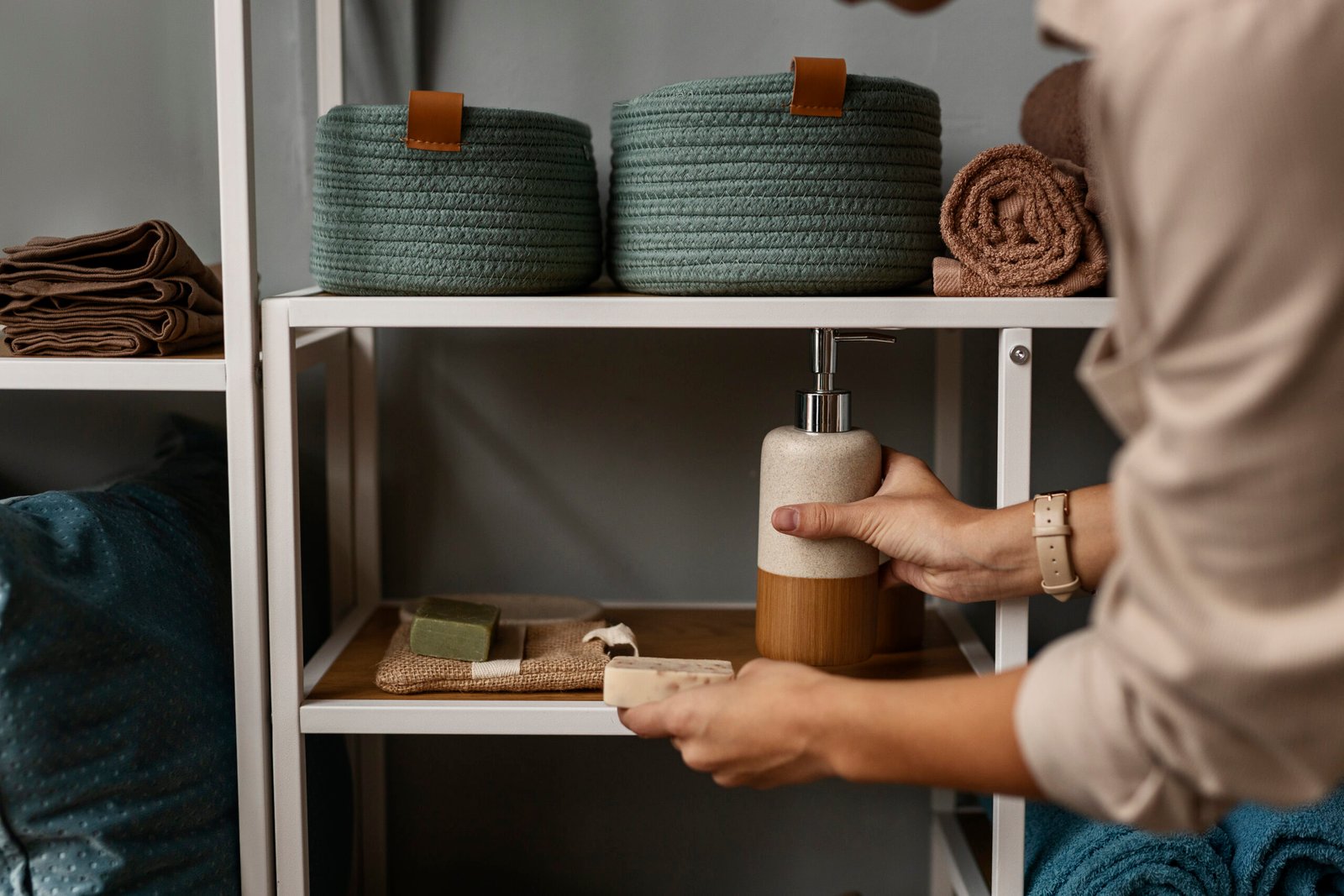
An easy organization system is built on giving every item a clear, assigned home. According to Octomaids’ 2026 organizing guide, clutter is almost always the result of items with no assigned place, and a designated home for every item removes the daily decision of where things go.
Want the broader picture this system fits into? Check out our full guide below.
https://trustmags.com/home-organization/
Why an Easy System Matters More Than a Perfect One
Home organization system design matters because complexity is what actually causes systems to fail. According to the 2026 minimalist organizing guide, a system that is 80 percent effective and takes 10 minutes to maintain is infinitely better than one that is 100 percent effective but takes an hour a day.
Home organization method choices also affect the whole household, not just one person. According to the same source, if you want others to maintain the system, the system has to be easier than not using it, which is exactly why overly detailed or fragile systems tend to collapse within weeks.
Pro Tip: According to Joy of Cleaning’s 2026 research, the one-touch rule, dealing with an item immediately instead of creating a “later” pile, is one of the clearest signals separating households with a lasting system from those with organization that quietly falls apart.
How to Create an Easy Home Organization System, Step by Step
Here is a clear, repeatable process for how to build an organization system that actually holds up:
Step 1: Declutter before building anything — according to the 2026 minimalist organizing guide, you cannot organize clutter, buying bins and baskets on top of too much stuff just creates tidier-looking chaos.
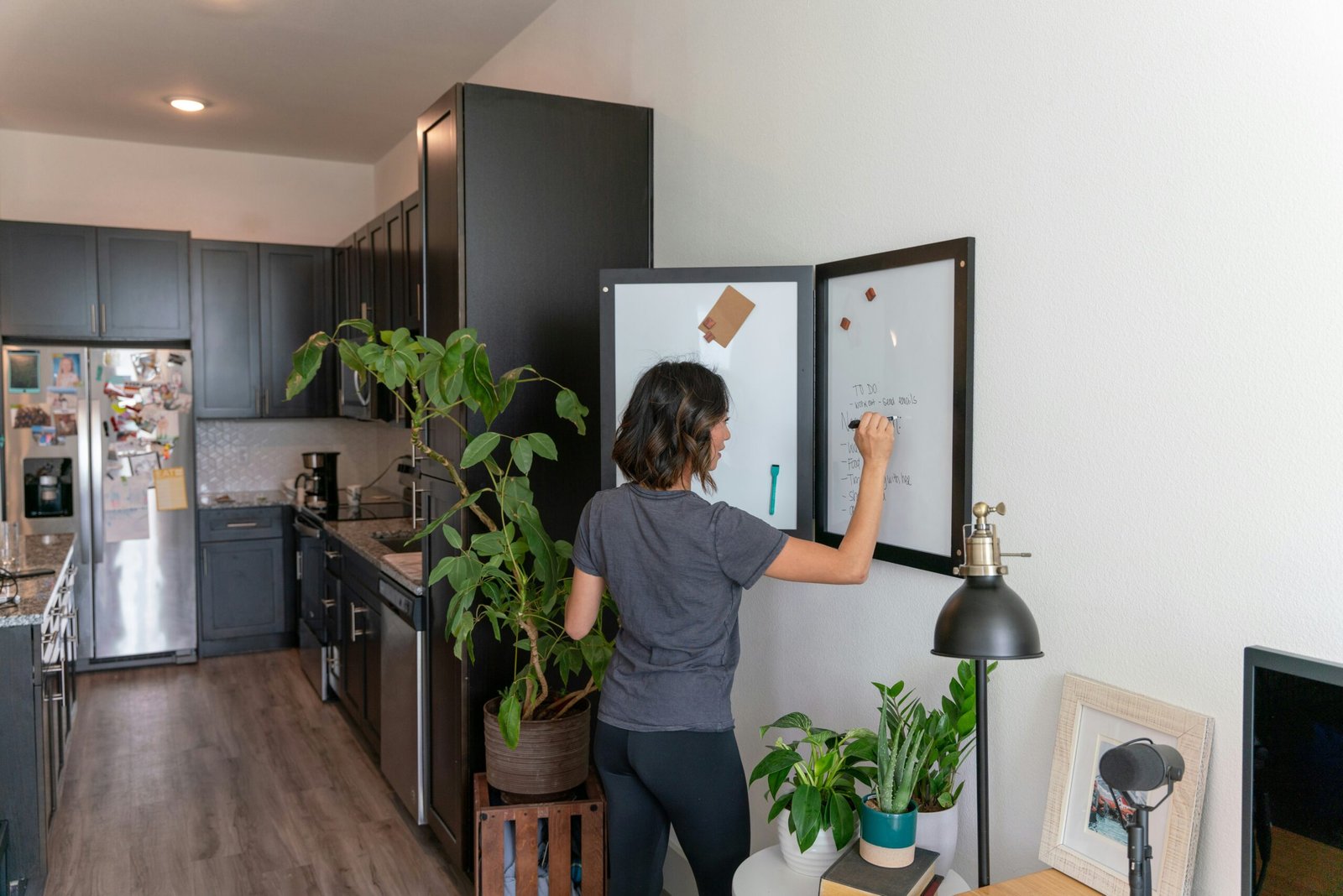
Step 2: Group items into activity zones — according to Octomaids’ guide, cooking tools near the stove and cleaning supplies under each sink means you never have to decide where things go.
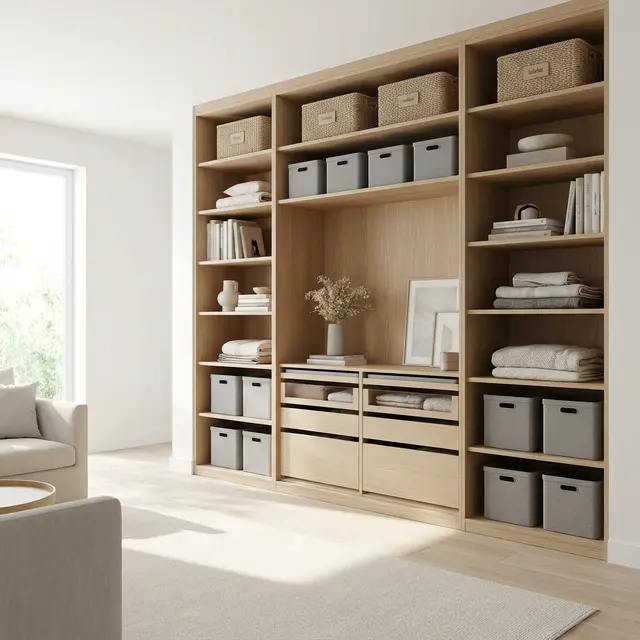
Step 3: Give every item one assigned home — a specific spot for each category of belongings removes dozens of small daily decisions.
Step 4: Add a drop zone near the entry — a small tray or basket for keys, wallets, and mail prevents these items from spreading across every flat surface.
Step 5: Apply the one-touch rule to incoming items — file, donate, use, or toss immediately, rather than letting piles of “later” build up.
Step 6: Build maintenance into the system itself — short daily resets and a weekly check, rather than occasional deep cleans, keep the system working over time.
This process forms the base of The Friction Reduction Framework, a practical framework created for this guide that treats simple home organization system design as a matter of reducing daily decisions rather than achieving a perfectly styled space.

Simple Organizing Systems Compared
Simple Organizing Systems Compared
| Method | Best For | Time Required | Difficulty | Main Benefit |
|---|---|---|---|---|
| Activity zone system | Kitchens, entryways, shared spaces | 1-2 hours per zone | Easy | Removes daily decisions about item placement |
| One-touch rule | Mail, paperwork, incoming items | Ongoing, minimal time | Easy | Prevents pile-up of undecided items |
| Weekly reset ritual | Whole household maintenance | 15-20 minutes weekly | Easy | Keeps an existing system from sliding backward |
| Category-based approach (ADHD-friendly) | Households needing visible, open storage | Varies by category | Moderate | Avoids overwhelm from tackling whole rooms |
Combining an activity zone system with a weekly reset ritual gives most households the strongest, lowest-effort organizing system for beginners, since one handles daily placement and the other handles ongoing upkeep.
Building Your System by Household Type
Busy Families
According to My Kids Made Me Buy It’s 2026 guide, getting organized as a family is not just about a tidy pantry, it is about creating simple systems the whole household can follow, with labeled containers and shared daily reset routines everyone understands.
- Label everything — even young household members can follow a labeled system
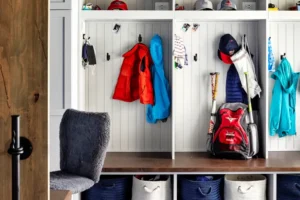
- Assign one drop zone — keys, backpacks, and mail all land in one consistent spot
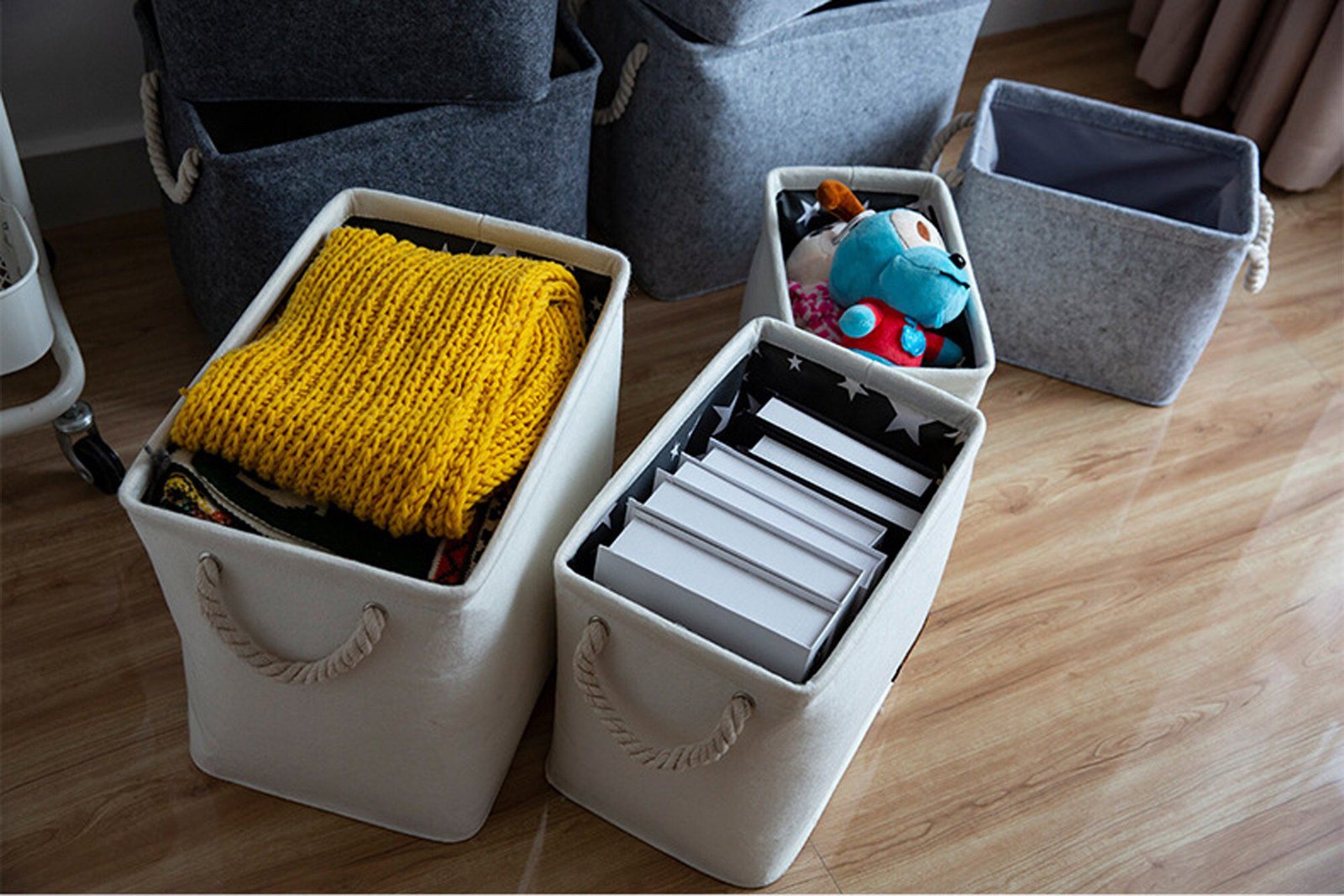
- Keep containers matching and visible — reduces the guesswork of where things belong
ADHD and Neurodivergent Households
According to AOL’s 2026 coverage of decluttering habits, traditional systems often fail for ADHD households because they rely on out-of-sight storage and long, uninterrupted sessions. Working one category at a time with very visible, open storage tends to work far better.
- Use open, visible storage — closed bins can mean “out of sight, out of mind”
- Work by category, not by room — a single category feels far less overwhelming
- Try short, flexible sessions — the Sunday Butterfly method, moving through the home and handling tasks as you spot them, suits low-pressure, flexible organizing
Small Households and Solo Living
For individuals or smaller households, easy way to organize home habits can be even simpler, since fewer people means fewer competing systems to coordinate.
- Keep zones minimal — fewer categories are easier to maintain solo
- Use the one-in-one-out rule — new items in mean old items out
- Set a permanent donation box — removes friction from letting go of unneeded items
Common Mistakes That Break a New System
- Buying storage before decluttering — according to the minimalist organizing guide, this creates tidier-looking chaos rather than solving the underlying problem
- Designing a system too complex for others to follow — a system only one person understands tends to collapse quickly
- Skipping maintenance habits entirely — according to Joy of Cleaning, when maintenance is built into the system rather than treated as an afterthought, it actually gets followed
- Trying to organize an entire house at once — according to Home Access Center’s 2026 coverage, this is the number one mistake, since it leads to frustration rather than progress
- Choosing closed, out-of-sight storage for visual thinkers — this can work against households, especially ADHD households, that need visible systems
- Ignoring the one-touch rule — letting mail, packages, and papers pile up creates the exact backlog an easy system is meant to prevent
Easy Systems vs Complex Organizing Methods
| Factor | Easy Organization System | Complex Organizing Methods |
|---|---|---|
| Time to maintain | Minutes daily, minimal weekly effort | Can require lengthy, dedicated sessions |
| Household adoption | Higher, easier for everyone to follow | Lower, often only the creator maintains it |
| Long-term durability | Strong, built around low friction | Weaker, tends to break down under stress |
| Setup effort | Moderate, zone by zone | Can be extensive, detailed categorization |
| Best for | Most households, especially busy or shared ones | Highly detail-oriented individuals with time to invest |
Ready to see how this system holds up over months and years, not just the first few weeks? Check out our full guide below.
https://trustmags.com/keep-your-home-organized-long-term/
Expert Tips for a System That Actually Lasts
- Declutter first, every time, before adding a single new storage solution
- Build activity zones around how you actually use each space, not how a guide says you should
- Apply the one-touch rule to mail and incoming items to prevent backlog before it starts
- Make the system easier to follow than to ignore, especially in shared households
- Bake maintenance into the system itself with short daily resets and a weekly check-in
This guide brings together the key methods, practical steps, and research-backed considerations for building an easy home organization system in one place.
A Realistic Home Organization System Example
Hypothetical scenario: Consider a busy household with two working parents and school-age children, starting with a chaotic entryway and a kitchen where items have no consistent home. Following a realistic organization system that works, they might start with a labeled drop zone at the entry, then build activity zones in the kitchen, before adding a Sunday evening 15-minute reset the whole family joins.
A realistic how to build an organization system timeline might include:
- Week 1: Declutter the entryway and kitchen before adding any new storage
- Week 2: Set up a labeled drop zone and kitchen activity zones
- Week 3: Introduce the one-touch rule for mail and incoming items
- Ongoing: A short daily reset plus a 15 to 20 minute weekly household check-in
Curious how small spaces specifically fit into this kind of system? Check out our full guide below.
https://trustmags.com/small-spaces-organization-ideas/
Frequently Asked Questions
How do you create an easy home organization system?
Creating an easy home organization system starts with decluttering, then grouping items into activity zones based on how you actually use each space. Giving every item one assigned home and building short daily or weekly maintenance habits keeps the system working long term.
What makes an organization system actually easy to maintain?
An organization system is easy to maintain when it reduces daily decisions rather than adding new ones, typically through activity zones, assigned homes for items, and simple habits like the one-touch rule for incoming mail and papers.
Why does having an easy home organization system matter?
Having an easy home organization system matters because complex systems tend to break down within weeks, especially in shared households. A system that takes minutes to maintain daily is more likely to actually stick than one requiring lengthy, dedicated sessions.
Is it worth the effort to build a formal organization system?
Yes, building a formal organization system is generally worth the effort, since research cited by Home Access Center links tidy, organized environments to lower cortisol levels, reduced anxiety, and improved focus, making it a genuine form of everyday self-care.
What are the best simple organizing systems for beginners?
The best simple organizing systems for beginners include activity zones, the one-touch rule for incoming items, and a weekly reset ritual, since all three are low-effort and easy to learn without requiring extensive reorganization upfront.
How much does it cost to set up an easy home organization system?
Setting up an easy home organization system can cost very little, since many effective solutions, like shoeboxes as drawer dividers or containers already owned, work well. According to the minimalist organizing guide, buying one thing to solve one specific problem, rather than bulk organizing supplies, keeps costs low.
What is the difference between an easy organization system and a complex one?
An easy organization system prioritizes low daily maintenance and household-wide adoption, while a complex system often requires more detailed categorization and longer maintenance sessions. Easy systems tend to last longer specifically because they demand less ongoing effort.
Can an easy home organization system work for households with ADHD?
Yes, an easy home organization system can work well for ADHD households, though it typically needs adjustment toward visible, open storage and category-based organizing rather than closed bins and whole-room projects, according to 2026 coverage of ADHD-friendly organizing habits.
Conclusion: Your Next Steps
How to create an easy home organization system comes down to reducing friction, not achieving perfection. Activity zones, assigned homes for items, the one-touch rule, and short built-in maintenance habits together create a system that survives real, busy life rather than falling apart after the first few weeks.
Next Steps:
- Declutter one zone this week before adding any new storage solution
- Set up one activity zone, like a kitchen area or entryway drop zone, using items you already own
- Build a short daily reset habit into your routine, rather than planning for an occasional deep organize
Author / Editorial Note
This article was researched and compiled by the WPWebStrategist editorial team, drawing on current 2026 organizing coverage from Octomaids, Joy of Cleaning, and Home Access Center. Content reflects available published sources rather than independent testing or first-hand professional organizing experience.