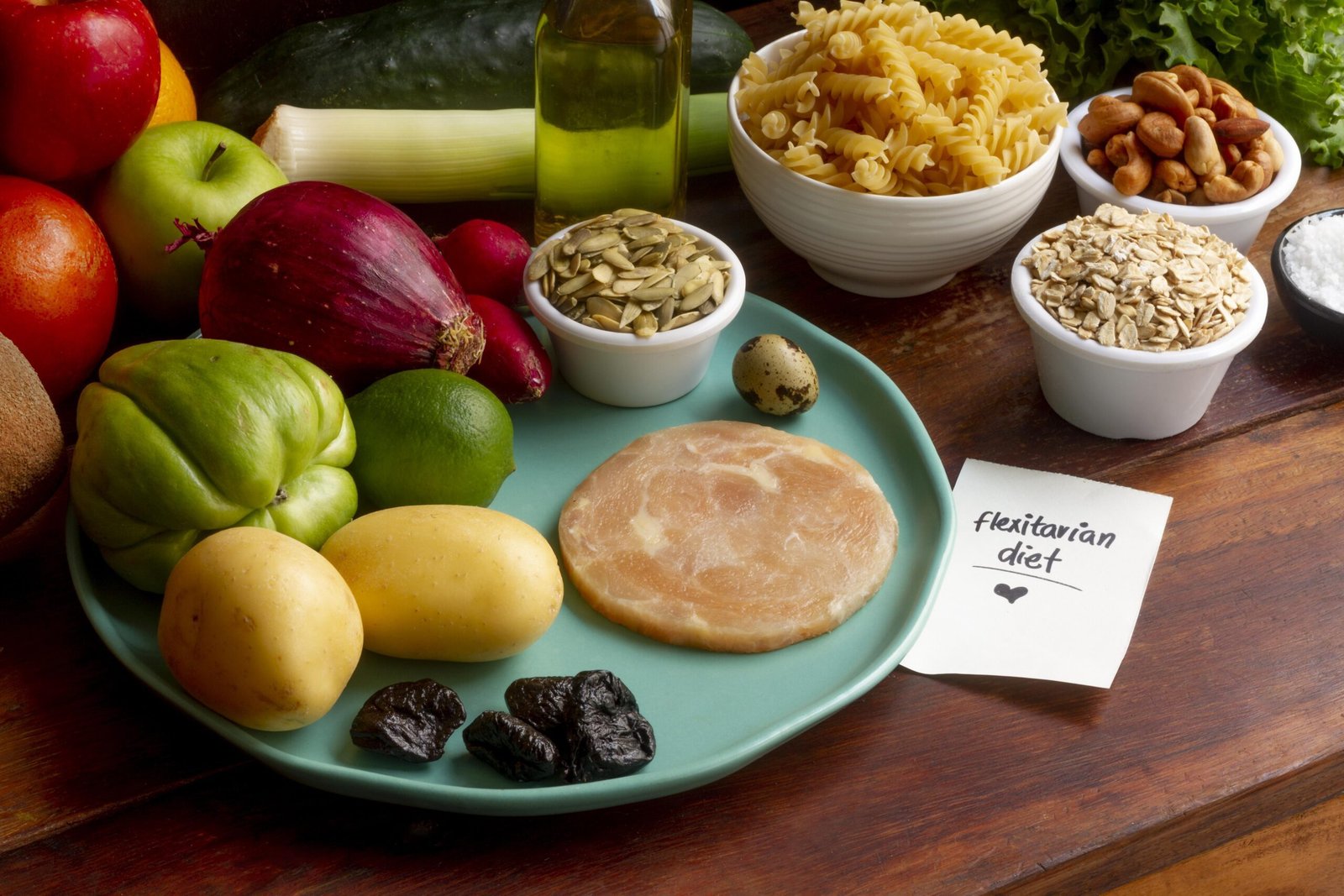
Healthy eating for weight management is not about surviving on salads, removing all carbohydrates, or skipping meals. It is about creating an eating pattern that gives your body the nutrients it needs while helping you manage portions, hunger, and overall calorie intake.
A healthy diet can support weight management when it includes vegetables, fruits, whole grains, protein foods, and other nutrient dense choices. NIDDK recommends a sustainable eating plan rather than a short term diet, because the best plan is one you can continue over time.

In the United States, people have many food choices, but convenience foods, large portions, sugary drinks, and frequent restaurant meals can make balanced eating harder. The solution does not have to be extreme.
In this guide you will learn
- How healthy eating supports weight management
- Which foods can make meals more filling
- How protein and fiber fit into a balanced diet
- How portion control works without strict dieting
- How to plan balanced meals and healthy snacks
- Common eating mistakes that can make weight management harder
What Is Healthy Eating for Weight Management?
Healthy eating for weight management means choosing a balanced combination of foods while managing overall calorie intake and portions in a way that can be maintained long term.
A healthy eating pattern does not require eliminating an entire food group unless a medical condition requires it. NIDDK recommends eating patterns that include vegetables, fruits, whole grains, dairy or suitable alternatives, and a variety of protein foods.
What does a healthy diet include?
A healthy diet can include:
- Vegetables
- Whole fruits
- Whole grains
- Beans, peas, and lentils
- Lean meats and poultry
- Seafood
- Eggs
- Nuts and seeds
- Low fat or fat free dairy
- Fortified soy alternatives
The goal is variety. Different foods provide different vitamins, minerals, protein, fiber, and other nutrients.
Why does food quality matter?
Food quality matters because two meals can contain similar calories but provide very different amounts of nutrients and fullness.
A meal built around vegetables, protein, whole grains, and healthy fats can be more satisfying than a meal dominated by refined carbohydrates and added sugar.
Healthy eating is not simply about eating less. It is about making the food you eat work harder for your health.
How Healthy Eating Supports Weight Management
Healthy eating supports weight management by helping people control energy intake while still getting enough nutrients.
Understanding calorie balance
Calorie balance describes the relationship between the energy you consume through food and beverages and the energy your body uses.
If calorie intake regularly exceeds energy needs, body weight can increase. If intake is below energy needs over time, weight tends to decrease.
However, calorie balance should not be treated as a reason to eat as little as possible.
Very restrictive eating can make hunger, cravings, low energy, and poor adherence more likely.
Why filling foods matter
Foods containing protein, fiber, and water can contribute to fullness.
Vegetables and whole fruits can add volume to meals. Beans and lentils provide fiber and protein. Eggs, seafood, poultry, yogurt, tofu, and other protein foods can help build a more satisfying meal.
The role of food environment
Your surroundings also influence eating.
Keeping highly tempting foods easily available can make frequent snacking easier. Keeping fruit, vegetables, yogurt, nuts, or other preferred nutritious snacks available can make a healthier choice more convenient.
Best Foods for Weight Management
There is no single food that causes healthy weight management. A better approach is to build meals from several nutritious food groups.
Vegetables and whole fruits
Vegetables are useful because many provide fiber and relatively few calories for their volume.
Choose a variety of:
- Leafy greens
- Broccoli
- Cauliflower
- Carrots
- Tomatoes
- Peppers
- Green beans
- Squash
- Cabbage
Whole fruit can also fit well into a healthy eating pattern.
Examples include:
- Apples
- Berries
- Oranges
- Bananas
- Pears
- Peaches
- Melons
Whole fruit generally provides more fiber than fruit juice.
Whole grains
Whole grains can provide fiber and other nutrients.
Examples include:
- Oatmeal
- Brown rice
- Whole wheat bread
- Whole grain pasta
- Barley
- Quinoa
You do not necessarily need to remove rice, bread, or other grains to manage weight. Portion size and the overall meal matter.
Protein foods
Protein foods can include:
- Eggs
- Chicken
- Turkey
- Fish
- Seafood
- Beans
- Lentils
- Tofu
- Greek yogurt
- Cottage cheese
- Nuts and seeds
The best choice depends on dietary preferences, budget, health needs, and cultural eating habits.
Protein and Fiber for Weight Management
Protein intake and dietary fiber are two useful parts of healthy eating for weight management.
Why protein matters
Protein is needed for many functions in the body, including maintaining and building tissues.
Protein also tends to make meals more satisfying.
A breakfast of eggs and whole grain toast, for example, provides a different nutritional pattern from a breakfast made mainly from a sugary pastry.
Why fiber matters
Dietary fiber is found naturally in plant foods.
Good sources include:
- Beans
- Lentils
- Vegetables
- Fruits
- Whole grains
- Nuts
- Seeds
Fiber can support digestive health and can contribute to fullness.
Protein plus fiber
A simple way to build a more satisfying meal is to combine a protein source with a fiber rich plant food.
For example:
| Meal | Protein | Fiber rich food |
|---|---|---|
| Breakfast | Eggs | Vegetables |
| Lunch | Chicken | Salad and beans |
| Dinner | Fish | Broccoli and brown rice |
| Snack | Yogurt | Berries |
| Vegetarian meal | Lentils | Mixed vegetables |
This is part of the Protein and Plant Pairing Framework:
Protein + plant food + appropriate portion = balanced meal foundation.
Portion Control for Weight Management
Portion control for weight management means becoming aware of how much food you are eating without turning every meal into a mathematical exercise.
Portion and serving are different
A serving is a standardized amount listed on a nutrition label.
A portion is the amount you actually put on your plate or eat.
One package can contain multiple servings even if the package looks like one individual meal.
Simple portion strategies
Try these practical approaches:
- Use a smaller plate when large portions are your normal habit.
- Put vegetables or salad on the plate first.
- Include a clear protein source.
- Serve grains and higher calorie foods in sensible portions.
- Eat slowly enough to notice fullness.
- Avoid eating directly from large packages.
- Check restaurant portions before automatically eating everything.
NIDDK specifically recommends paying attention to portions and suggests taking only part of a restaurant meal home when portions are large.
The 50 25 25 plate method
A simple visual method can be:
- 50% vegetables or other non starchy plant foods
- 25% protein
- 25% grains or other carbohydrate foods
This is a practical framework, not a medical prescription. Individual needs vary.
For broader guidance, read our article:
https://trustmags.com/healthy-weight-management/
Meal Planning for Weight Management
Meal planning for weight management can reduce the number of food decisions you need to make during a busy week.
Build meals before hunger becomes urgent
When people wait until they are extremely hungry, convenience often wins.
A simple weekly plan can include:
Breakfast: eggs, oatmeal, fruit, or yogurt
Lunch: chicken or beans with vegetables and whole grains
Dinner: fish, poultry, beans, or tofu with vegetables and a grain or potato
Snacks: fruit, yogurt, nuts, vegetables, or another preferred nutritious option
The 3 part meal system
Use this simple process:
Step 1: Choose the protein.
Pick eggs, poultry, seafood, beans, lentils, tofu, yogurt, or another protein food.
Step 2: Add plants.
Choose vegetables or whole fruit.
Step 3: Add the carbohydrate or grain.
Choose oats, brown rice, potatoes, whole grain bread, pasta, or another preferred food.
Then adjust the portion according to hunger, activity, goals, and individual needs.

Healthy snacks for weight management
A snack is not automatically unhealthy.
The better question is whether the snack fits your hunger and overall eating pattern.
Examples include:
- Apple with peanut butter
- Greek yogurt with berries
- Carrots with hummus
- A small handful of nuts
- Fruit with cottage cheese
- Plain popcorn
Common Healthy Eating Mistakes
Cutting carbohydrates completely
Removing all carbohydrates is unnecessary for many people.
Whole grains, fruit, beans, and potatoes can all fit into a healthy eating pattern.
Eating too little during the day
Skipping meals can work for some people, but for others it can lead to intense hunger later.
A sustainable plan should match your lifestyle.
Drinking too many calories
Sugary drinks, specialty coffees, and large amounts of juice can add substantial calories without creating the same fullness as a balanced meal.
Assuming healthy foods have no calorie limit
Nuts, seeds, oils, avocado, and other nutritious foods can be part of healthy eating. They are still energy dense, so portions matter.
Following a plan you dislike
A diet that works for two weeks but becomes impossible after a month is not a strong long term strategy.
The best eating plan is not the strictest plan. It is the healthiest plan you can realistically repeat.
Healthy Eating Comparison
| Approach | Main Feature | Best For | Main Challenge |
|---|---|---|---|
| Balanced plate | Builds meals from food groups | Most adults | Requires meal planning |
| Portion awareness | Focuses on amount eaten | Large portion habits | Needs attention |
| Higher protein meals | Emphasizes protein foods | People struggling with hunger | Needs balanced food choices |
| Higher fiber pattern | Emphasizes plants and whole grains | People wanting filling meals | Fiber should increase gradually |
| Meal planning | Prepares meals ahead | Busy households | Requires preparation |
Best overall approach: combine balanced meals, appropriate portions, regular physical activity, and habits you can maintain.
FAQ
What is healthy eating for weight management?
Healthy eating for weight management is a sustainable eating pattern that provides essential nutrients while helping you manage portions and overall energy intake. It usually includes vegetables, fruits, whole grains, protein foods, and suitable dairy or alternatives.
How does healthy eating help with weight management?
Healthy eating can help by making it easier to manage calorie intake while providing protein, fiber, vitamins, minerals, and other nutrients. Choosing filling foods and appropriate portions can also reduce the likelihood of frequent overeating.
Why is protein important for weight management?
Protein supports body tissues and can make meals more satisfying. Including protein at meals can help create a balanced eating pattern, especially when paired with vegetables, fruit, whole grains, or other high fiber foods.
What are the best foods for weight management?
There is no single best food. Useful choices include vegetables, whole fruits, whole grains, beans, lentils, seafood, lean meats, eggs, yogurt, nuts, and seeds. The overall eating pattern matters more than one food.
How much does healthy eating for weight management cost?
Healthy eating does not have to depend on expensive specialty products. Beans, lentils, oats, eggs, seasonal produce, potatoes, whole grains, and frozen vegetables can be practical options. Costs vary by location, brand, season, and household.
Can portion control help with weight management?
Yes. Portion control can help people reduce excess calorie intake without completely eliminating favorite foods. Simple strategies include smaller servings, eating slowly, using smaller plates, and checking restaurant portions.
What is the difference between healthy eating and dieting?
Healthy eating describes a long term pattern of nutritious food choices. A diet can be temporary or highly restrictive. A sustainable eating pattern is generally easier to maintain than a short term plan based on extreme rules.
Can healthy eating help maintain weight after weight loss?
Yes. Continuing a balanced eating pattern after weight loss is an important part of long term weight maintenance. Physical activity, regular monitoring, and sustainable habits can also help reduce the risk of weight regain.
Conclusion
Healthy eating for weight management does not require perfection. It requires a pattern you can repeat.
Focus on vegetables, whole fruits, whole grains, protein foods, fiber rich choices, and sensible portions. Build meals that satisfy you rather than relying on severe restriction.
Next steps
- Plan three balanced meals for the next day.
- Add a protein and plant food to your main meals.
- Check your usual portions without judging yourself.
- Keep simple healthy snacks available.
Author and Editorial Note
This article is educational content based on guidance from U.S. government health and nutrition sources. It does not provide individualized medical or nutrition treatment. Readers with medical conditions, eating disorders, or specific dietary requirements should seek advice from an appropriate healthcare professional.
References
- American Heart Association, healthy dietary patterns, food choices, portions, and weight management guidance. www.heart.org
- Dietary Guidelines for Americans, recommendations for healthy eating patterns and nutrient rich foods. Dietary Guidelines
- Academy of Nutrition and Dietetics, evidence based nutrition and healthy eating guidance.
- USDA MyPlate, food groups and building balanced meals.


2 thoughts on “Healthy Eating for Weight Management: Build a Balanced Plan That Lasts”