The average person tries to declutter their home four times a year, according to SmartStop’s 2026 organizing coverage, which quietly reveals the real problem: most organizing efforts do not fail because people never organize, they fail because the organization never lasts.
How to keep your home organized long term comes down to small, boring, repeatable habits rather than another big weekend project. This guide covers exactly which habits actually hold up over months and years.
Key Takeaways:
- Long term organization depends on small daily habits, not periodic big cleanups
- The one-touch rule and one-in-one-out rule are two of the most consistently recommended maintenance habits
- A short nightly reset prevents small messes from becoming weekend-sized projects
- Systems that the whole household can follow last far longer than systems only one person understands
What Does It Mean to Stay Organized Long Term?
How to keep your home organized long term means shifting from occasional big organizing pushes to small, consistent habits woven into daily life. According to SmartStop’s 2026 organizing guide, the average person tries to declutter their home four times a year, and breaking that effort into daily, bite-sized habits instead helps avoid procrastination and supports a cleaner home year-round.
Maintain home organization in this sense is less about a single big effort and more about consistency. According to Joy of Cleaning’s 2026 maintenance guide, the secret to keeping a home organized lies in micro-habits so small they feel almost silly not to do, changes that take less than two minutes but compound into significant results over time.
Want the broader system this fits into? Check out our full guide below.
https://trustmags.com/home-organization/
Why Long Term Organization Matters More Than a Big Cleanup
Staying organized long term matters because organization trends in 2026 have shifted noticeably away from aggressive, one-time purges. According to Livingetc’s 2026 coverage, professional organizer Arabella Drake notes that it is less about owning as little as possible and more about owning and organizing with purpose, reflecting spaces that support how people actually live.
Long term organization habits also carry real wellbeing benefits. According to Joy of Cleaning’s 2026 trend coverage, research shows organized spaces directly impact stress levels, and maintenance-focused systems that people can actually sustain prevent the exhausting “re-organizing” cycle that wears many households down.
Pro Tip: According to Hayden Homes’ 2026 habit guide, the one-touch rule, putting an item directly where it belongs the moment you touch it rather than setting it down “for now,” is one of the simplest, most repeated habits across current organizing research.
How to Keep Your Home Organized Long Term, Step by Step
Here is a clear, repeatable process for how to stay organized long term:
Step 1: Build a short nightly reset into your routine — according to Joy of Cleaning, a 10 minute timer and a speed-round pickup each evening prevents small messes from becoming a bigger weekend project.
Step 2: Apply the one-touch rule consistently — put items away the moment you touch them, rather than setting them down to deal with “later.”
Step 3: Follow the one-in-one-out rule for new purchases — according to Well Arranged Home’s 2026 guide, when something new comes in, something old goes out, which protects your space without requiring constant purging.
Step 4: Give every category one specific home — according to Well Arranged Home, items without one clear, designated spot end up scattered across the house, batteries being a common example.
Step 5: Set a weekly focused session for one small area — according to Joy of Cleaning, a 15 minute weekly session on a single drawer or shelf prevents gradual accumulation without overwhelming your schedule.
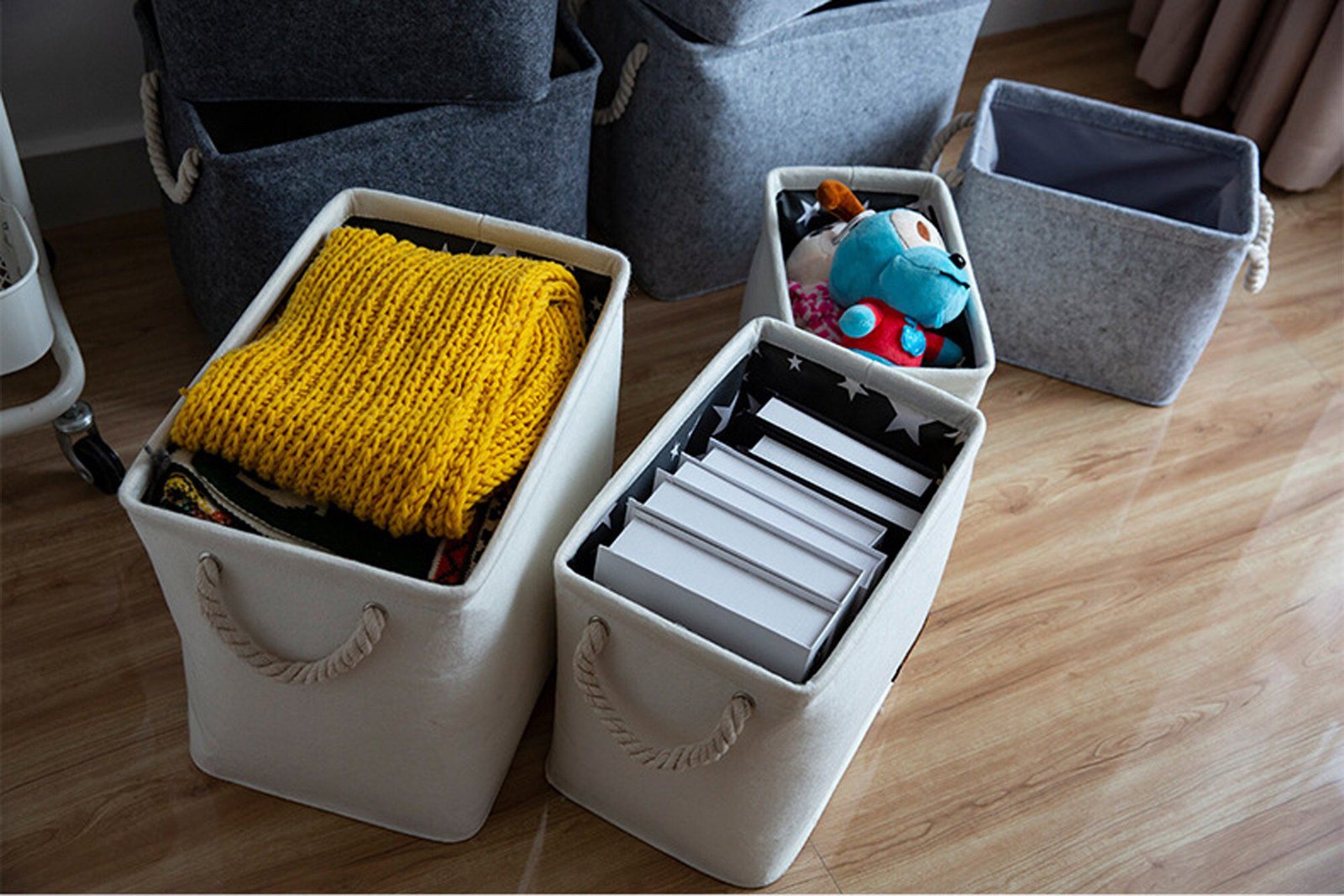
Step 6: Rotate seasonal items on a schedule — storing off-season items like holiday decorations in labeled bins keeps daily-use spaces from becoming cluttered with things you only need occasionally.
This process forms the base of The Daily Habit Stack, a practical framework created for this guide that layers a nightly reset, the one-touch rule, and a weekly focused session so tips to maintain organization compound over time rather than requiring one exhausting effort.

Maintenance Habits Compared
Maintenance Habits Compared
| Habit | Best For | Time Required | Difficulty | Main Benefit |
|---|---|---|---|---|
| Nightly reset (10-15 min) | Preventing daily mess buildup | 10-15 minutes daily | Easy | Stops small clutter before it accumulates |
| One-touch rule | Everyday item placement | Ongoing, no set time | Easy | Removes the need for a “later” pile |
| One-in-one-out rule | Controlling new purchases | Applied per purchase | Easy | Prevents volume from growing over time |
| Weekly focused session | Deeper single-area maintenance | 15-20 minutes weekly | Easy to moderate | Keeps one small area from sliding backward |
| Seasonal rotation | Holiday and seasonal items | A few hours, twice yearly | Moderate | Keeps daily spaces clear of occasional-use items |
Combining a nightly reset with the one-touch rule consistently appears across current 2026 organizing research as the strongest foundation for organization habits that actually last.
Staying Organized by Timeframe
Daily Habits
According to Discovery Homes’ 2026 habit guide, small, consistent daily habits make the biggest difference in how organized a home feels, more so than occasional intense cleaning sessions.
- 10 to 15 minute nightly tidy — return items to their designated spots before bed
- One-touch rule — deal with items immediately rather than setting them down
- Quick entryway reset — keys, mail, and shoes handled the moment you walk in
Weekly Habits
According to Discovery Homes’ guide, a weekly cleaning routine handles tasks that do not need daily attention, spreading the workload so nothing gets missed and no single day feels overwhelming.
- One deep task per weekday — dusting on Monday, bathrooms on Wednesday, floors on Friday, for example
- 15 minute focused session — one drawer, shelf, or small area gets attention each week
- Quick household check-in — confirms everyone is following the shared system
Seasonal Habits
Organization maintenance tips at the seasonal level focus on rotation rather than daily upkeep. According to Discovery Homes, storing off-season items like holiday decorations or sports gear in labeled bins keeps active-use spaces clear while ensuring everything stays easy to find later.

Common Mistakes That Undo Long Term Organization
- Relying only on periodic big cleanups — according to SmartStop, the average household only declutters four times a year, which leaves long gaps for clutter to rebuild
- Skipping the one-touch rule — setting items down “for now” is how small piles quietly become bigger ones
- Ignoring the one-in-one-out rule — according to Well Arranged Home, constant new items entering the home is one of the clearest patterns behind organization that does not stick
- Building a system only one person understands — according to Joy of Cleaning’s 2026 trend coverage, systems that the whole household can follow last far longer
- Treating maintenance as optional — a nightly or weekly habit skipped repeatedly lets small messes accumulate into a project again
- Not giving every category one specific home — items without a designated spot tend to scatter across multiple rooms over time
Daily Habits vs Periodic Deep Cleans
| Factor | Daily Maintenance Habits | Periodic Deep Cleans |
|---|---|---|
| Frequency | Every day, a few minutes each | A few times a year, longer sessions |
| Clutter buildup risk | Low, addressed continuously | Higher between sessions |
| Household adoption | Easier, small and repeatable | Harder, requires dedicated time |
| Long term durability | Strong, prevents backslide | Weaker without daily support |
| Best for | Ongoing, sustainable organization | Seasonal resets alongside daily habits |
According to SmartStop’s research, daily habits and periodic deep cleans work best together, small consistent actions prevent buildup, while occasional deeper sessions handle what daily habits alone cannot reach.
Curious how this connects back to building the system in the first place? Check out our full guide below.
https://trustmags.com/easy-home-organization-system/
Expert Tips to Stay Organized Long Term
- Build a short nightly reset into your routine, even just 10 minutes, rather than relying on occasional deep cleans
- Apply the one-touch rule consistently, dealing with items the moment you pick them up
- Follow the one-in-one-out rule for new purchases to prevent volume from slowly growing
- Give every category of item one specific, consistent home so nothing ends up scattered
- Make the system something the whole household can follow, not just something only you understand
This guide brings together the key methods, practical steps, and research-backed considerations for keeping a home organized long term in one place.
A Realistic Long Term Organization Example
Hypothetical scenario: Consider a household that recently finished a full organizing project and wants it to actually last. Following a realistic how to keep house organized approach, they might introduce a 10 minute nightly reset immediately, add the one-touch rule within the first week, and layer in a weekly 15 minute focused session once the daily habits feel automatic.
A realistic staying organized timeline might include:
- Week 1: Introduce the nightly 10 minute reset as a new household habit
- Week 2: Add the one-touch rule for everyday items
- Week 3: Start the one-in-one-out rule for new purchases
- Ongoing: A weekly 15 minute focused session plus seasonal rotation twice a year
Want a refresher on the room-by-room system this all builds on? Check out our full guide below.
https://trustmags.com/room-by-room-organization/
Frequently Asked Questions
How do you keep your home organized long term?
Keeping a home organized long term relies on small, consistent daily habits like a nightly reset and the one-touch rule, rather than occasional big cleanups. According to SmartStop’s research, the average household only declutters four times a year, which is why daily habits matter more than periodic effort.
What are the best tips to maintain organization once a space is set up?
The best tips to maintain organization include a short nightly reset, the one-touch rule for everyday items, and the one-in-one-out rule for new purchases, since all three prevent gradual clutter buildup without requiring large dedicated sessions.
Why does staying organized long term matter more than one big organizing project?
Staying organized long term matters more because a single big project without ongoing habits tends to unravel within weeks. Small, sustainable daily habits protect the results of any initial organizing effort far more reliably than periodic deep cleans alone.
Is it worth building daily habits instead of just deep cleaning a few times a year?
Yes, building daily habits is generally worth it, since research cited by SmartStop shows the average household only declutters four times a year, leaving long gaps for clutter to rebuild between sessions. Daily habits close that gap.
What are the best organization maintenance tips for busy households?
The best organization maintenance tips for busy households include a 10 to 15 minute nightly reset, the one-touch rule, and a single 15 minute weekly focused session, since all three fit into a busy schedule without demanding a full day.
How much time does it take to keep a home organized long term?
Keeping a home organized long term typically takes about 10 to 15 minutes daily plus a 15 to 20 minute weekly session, according to current organizing research, which is significantly less time than periodic multi-hour deep cleaning sessions.
What is the difference between daily maintenance habits and periodic deep cleans?
Daily maintenance habits are short, frequent actions that prevent clutter from building up, while periodic deep cleans are longer, less frequent sessions that handle deeper cleaning and reorganizing. Both work best together rather than relying on either alone.
Can a household actually stay organized long term with kids or a busy schedule?
Yes, households with kids or busy schedules can stay organized long term, especially when the system is simple enough for everyone to follow. According to Joy of Cleaning’s 2026 trend coverage, systems built for families, not just individuals living alone, tend to hold up best under real daily life.
Conclusion: Your Next Steps
How to keep your home organized long term comes down to small, repeatable habits rather than another exhausting weekend project. A short nightly reset, the one-touch rule, and the one-in-one-out rule together protect the results of any organizing effort far longer than periodic deep cleans alone.
Next Steps:
- Start a 10 minute nightly reset this week, focusing on returning items to their designated spots
- Practice the one-touch rule for a few days and notice how much less clutter accumulates
- Introduce the one-in-one-out rule the next time you bring something new into your home
Author / Editorial Note
This article was researched and compiled by the WPWebStrategist editorial team, drawing on current 2026 organizing coverage from SmartStop, Joy of Cleaning, and Hayden Homes. Content reflects available published sources rather than independent testing or first-hand professional organizing experience.
Sources & References
- SmartStop, 13 Essential Habits for a Clean and Organized Home
- Joy of Cleaning, Guide to Maintaining Your Organized Home
- Hayden Homes, 15 Habits to Keep Your Home Organized Every Day
- Well Arranged Home, 6 Organizing Rules to Live By in 2026