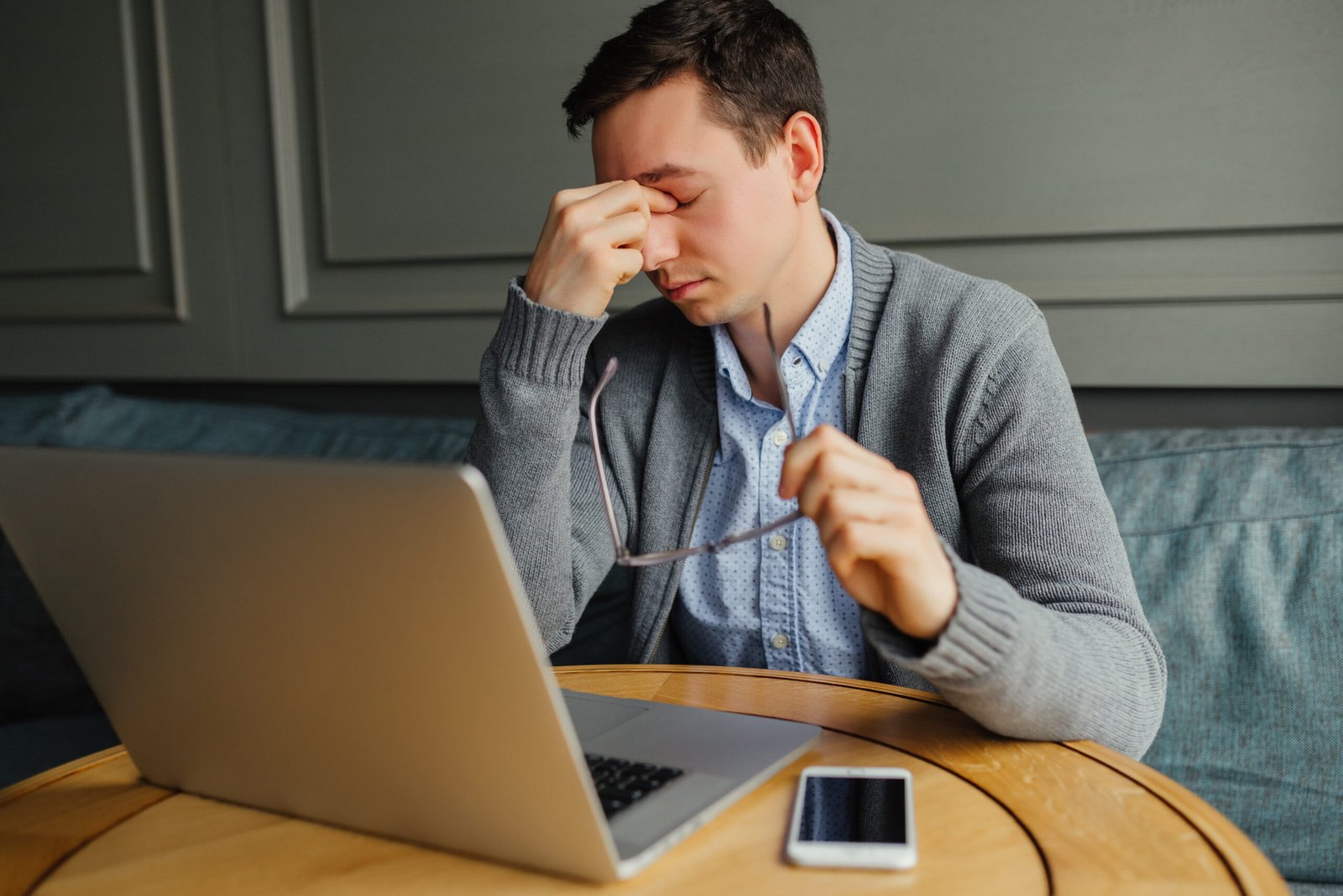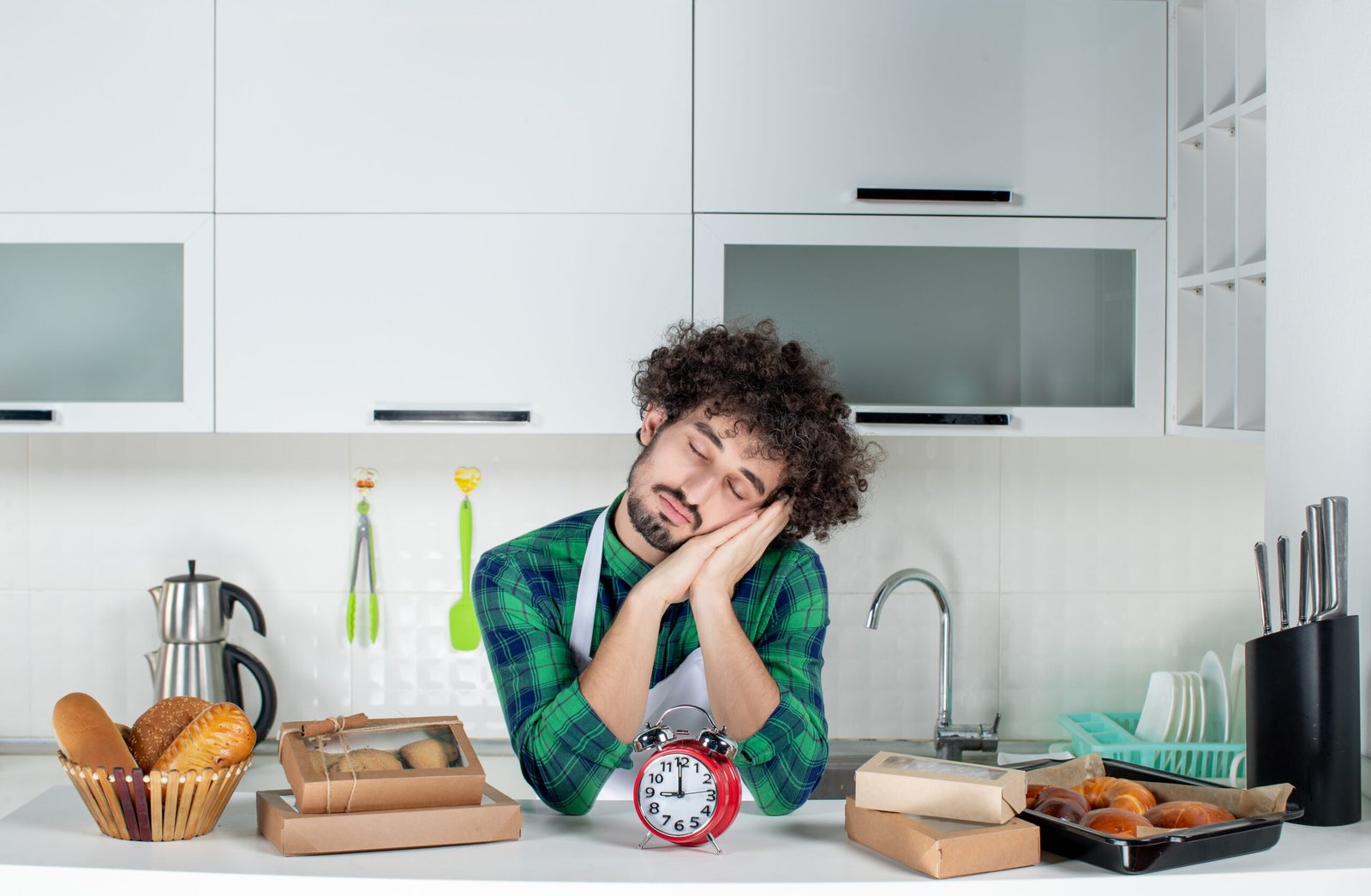
If you feel tired after eating, especially after lunch, you are not imagining it and you are not alone. Doctors call this postprandial somnolence, and sleep lab data shows drowsiness after a meal typically peaks one to two hours in, then fades on its own. This guide walks through exactly why it happens, when feeling tired after eating is normal versus worth checking with a doctor, and what actually helps.
Key Takeaways:
- Feeling tired after eating a large or carb-heavy meal is normal physiology, not a disorder
- Meal size, refined carbohydrates, alcohol, dehydration, and poor sleep all make post-meal fatigue worse
- Simple swaps and a few quick fixes in the first 10 minutes after a meal can meaningfully help
- Daily, severe, or worsening tiredness after eating deserves a conversation with a doctor
Why Do I Feel Tired After Eating?
Feeling tired after eating is defined medically as postprandial somnolence, a temporary dip in alertness that follows a meal. According to Cleveland Clinic, researchers once believed blood flowing away from the brain caused this, but that theory has been disproven. The real picture involves several overlapping factors working together.
What’s actually happening: After you eat, your parasympathetic nervous system, the “rest and digest” side of your body, becomes more active. Blood shifts toward your gut to support digestion. Blood sugar and insulin rise and fall depending on what you ate. According to the Sleep Foundation, eating also promotes a drop in alertness-related hormones and a rise in sleep-promoting ones, including melatonin and serotonin.
None of this means something is wrong with you. Feeling tired after meals in this mild, temporary way is one of the most common and well-documented human experiences.

Want to look at food choices that support steadier energy overall? Check out our full guide below.
https://trustmags.com/foods-that-give-you-energy/
Is It Normal? Timing, Normal vs Worrying
Is feeling tired after eating normal? Yes, in most cases. According to a 2026 clinical review from Kresser Institute, it is normal to feel tired after eating a larger meal, but it is not normal to feel tired after eating standard-sized meals every single day.
Typical, expected timing:
- Drowsiness starts 30 minutes to two hours after eating
- It peaks around the one to two hour mark, according to sleep lab data cited by Cleveland Clinic
- It fades on its own within a few hours
Signs that may point to something worth checking:
- Feeling tired after eating almost every meal, not just large ones
- Fatigue paired with dizziness, shakiness, or confusion (possible signs of reactive hypoglycemia)
- Symptoms that are getting worse over weeks or months
- Post-meal fatigue severe enough to interfere with driving or work
This is not a diagnostic checklist. It is a starting point for noticing patterns worth discussing with a healthcare provider.
Big Meals, Carb-Heavy and Fatty Foods
Large meals are consistently the single biggest trigger for feeling tired after eating. According to Acibadem’s 2026 health library, evidence suggests that meal size matters, larger meals are more likely to leave a person feeling tired than smaller ones.
Why carbs and fat matter specifically:
- Refined carbohydrates (white bread, sugary drinks, pastries) can cause a fast rise and fall in blood sugar, which often leaves people feeling tired afterward
- High-fat meals slow digestion and keep the parasympathetic “rest and digest” response active longer
- Combining a large portion with refined carbs and fat compounds the effect
Pro Tip: A meal built around protein and fiber, with a moderate portion of carbohydrates, tends to produce far less of a post-meal energy crash than the same calories from refined carbs alone, since protein slows how quickly blood sugar rises and falls.
Alcohol, Dehydration and Skipped Breakfast
Alcohol with a meal amplifies feeling tired after eating for most people, since alcohol itself has a sedating effect that stacks on top of normal post-meal drowsiness.
Dehydration plays a quieter but real role. Even mild dehydration is linked to reduced alertness and fatigue, and many people do not drink enough water around meals, especially at lunch during a busy workday.

Skipping breakfast sets up a harder crash later. Arriving at lunch already running low on steady fuel makes the blood sugar swing from that meal more dramatic, which tends to make afternoon tiredness after eating noticeably worse.
- Limit alcohol at meals when avoiding an afternoon crash matters
- Drink a full glass of water with each meal, not just when thirsty
- Eat a balanced breakfast to reduce how hard lunch hits your energy
The Afternoon Dip and Poor Sleep
Your body has a natural circadian dip in alertness in the early afternoon, independent of food entirely. According to Cleveland Clinic, this body clock dip can make you feel sleepier regardless of what or when you ate, and lunch simply lands on top of it for most people.
Poor sleep makes everything worse. According to Acibadem’s research, being sleep-deprived can make the effect of feeling tired after eating stronger, since a body already running on a sleep deficit has less reserve to handle the normal post-meal dip.
This is exactly why the same lunch can leave you barely noticing any tiredness on a well-rested day, and completely wiped out after a short night of sleep.
Food Intolerances
Some people feel tired after eating specific foods rather than meals in general, which can point toward a food intolerance rather than typical postprandial somnolence.
Common intolerances worth watching for:
- Gluten — some people report fatigue, bloating, or brain fog specifically after wheat-based meals
- Dairy — lactose intolerance can cause digestive discomfort alongside tiredness
- High-FODMAP foods — certain carbohydrates poorly absorbed by some people can trigger bloating and fatigue
The most reliable way to spot a pattern is tracking what you eat against how you feel afterward, which is exactly what the food diary template further down this guide is built for. A registered dietitian or doctor can help interpret a suspected intolerance properly, since self-diagnosing food intolerances is unreliable without guidance.
What to Eat for Steady Energy
Choosing meals that pair protein, fiber, and complex carbohydrates consistently produces less post-meal fatigue than meals built mainly around refined carbs and fat.
Swap This for That
| Instead of | Try this | Why it may help |
|---|---|---|
| White bread sandwich | Whole grain bread with turkey and avocado | Protein and fiber slow blood sugar swings |
| Sugary cereal | Oats with berries and a spoon of nut butter | Fiber and protein reduce the post-meal crash |
| Large pasta portion with white sauce | Smaller pasta portion with grilled chicken and vegetables | Smaller portion, added protein and fiber |
| Soda with lunch | Water or unsweetened iced tea | Avoids an added sugar spike stacked on the meal |
| Fried fast food combo | Grilled protein, salad, and a whole grain side | Lower fat load, less digestive burden |
Real Meal Examples for Steady Energy
- Breakfast: Scrambled eggs, whole grain toast, and a piece of fruit
- Lunch: Grilled chicken salad with olive oil dressing and quinoa
- Snack: Greek yogurt with a small handful of almonds
- Dinner: Baked salmon, roasted vegetables, and a small portion of brown rice
Quick Fixes: The Next 10 Minutes
If you are feeling tired after eating right now, here is a simple sequence to try:
Step 1: Drink a full glass of water — mild dehydration compounds post-meal fatigue, and water is the fastest fix available.
Step 2: Get up and move for 5 minutes — a short walk, even around the office or house, increases alertness more reliably than sitting still.
Step 3: Step into natural light if possible — daylight exposure helps counter the circadian afternoon dip directly.
Step 4: Avoid a second large snack right away — adding more food on top of an already large meal usually deepens the tiredness rather than fixing it.
Step 5: If safe to do so, a short 10 to 20 minute rest can help — a brief rest is different from a long nap, and it will not interfere with nighttime sleep the way a longer nap can.
Does Coffee Help After a Meal?
Coffee can help after a meal, and it is one of the most common ways people manage feeling tired after eating. Caffeine blocks adenosine, a chemical that builds up and promotes sleepiness, which is why a cup of coffee after lunch often provides a real, if temporary, lift in alertness. The tradeoff is that afternoon caffeine can disrupt sleep quality that night for some people, which can make the next day’s post-meal fatigue worse. Using coffee occasionally rather than as a daily crutch tends to work best.
Food Diary Template
Tracking a simple food diary for one to two weeks is one of the most useful ways to spot your own personal pattern behind feeling tired after eating.
| Date/Time | What I Ate | When I Felt Tired | How Long It Lasted | Notes |
|---|---|---|---|---|
Copy this table into a notes app or spreadsheet and fill it in after each meal for a week or two. Patterns, like tiredness only after dairy, or only after very large lunches, often become obvious within just a few days of honest tracking.
When to Talk to a Doctor
Talk to a doctor if feeling tired after eating happens after nearly every meal, not just large or carb-heavy ones, or if it comes with dizziness, shakiness, confusion, or symptoms that are getting worse over time. According to the Sleep Foundation, underlying health issues such as sleep apnea, insulin resistance, anemia, or thyroid disorders may contribute to excessive tiredness after eating and warrant medical evaluation.
Reactive hypoglycemia, a drop in blood sugar within a few hours of eating, is also worth ruling out if fatigue comes with shakiness or lightheadedness. This article cannot diagnose you. A healthcare provider can run the right tests and rule out or confirm any underlying cause.
Curious what else might be driving your fatigue beyond meals specifically? Check out our full guide below.
https://trustmags.com/why-am-i-so-tired/
Frequently Asked Questions
Why do I feel tired after eating?
Feeling tired after eating happens because your body shifts into “rest and digest” mode, blood sugar and hormone levels change, and the natural afternoon circadian dip often stacks on top of these effects. It is a normal, well-documented response, especially after large or carb-heavy meals.
Is it normal to feel tired after eating every day?
Feeling tired after a large meal occasionally is normal, but feeling tired after eating standard-sized meals every single day is not considered typical and is worth discussing with a doctor to rule out underlying causes.
Why am I tired after every meal, even small ones?
Being tired after every meal, including small ones, can point toward a pattern beyond normal postprandial somnolence, such as reactive hypoglycemia, a food intolerance, or an underlying condition like thyroid dysfunction. A food diary and a conversation with a doctor can help clarify the cause.
Does coffee help after a meal?
Yes, coffee can help after a meal, since caffeine blocks a chemical called adenosine that promotes sleepiness. The tradeoff is that afternoon caffeine may affect nighttime sleep quality for some people, which can worsen tiredness the following day.
What foods make you tired after eating?
Foods high in refined carbohydrates, sugar, and fat are the most consistent triggers for feeling tired after eating, since they cause faster blood sugar swings and take longer to digest. Large portions of any food type also make post-meal tiredness more likely.
How long does feeling tired after eating usually last?
Feeling tired after eating typically starts 30 minutes to two hours after a meal, peaks around the one to two hour mark, and fades within a few hours on its own, according to sleep lab research.
Can food intolerances cause tiredness after eating?
Yes, food intolerances to gluten, dairy, or certain high-FODMAP foods can cause fatigue in addition to digestive symptoms in some people. Tracking a food diary is one of the most reliable ways to spot whether a specific food is consistently linked to your tiredness.
How can I stop feeling tired after eating?
You can reduce feeling tired after eating by choosing smaller, protein and fiber rich meals, staying hydrated, limiting alcohol and refined carbs, and getting consistent sleep. A short walk and natural light exposure after a meal can also help in the moment.
Conclusion: Your Next Steps
Feeling tired after eating is, for most people, a normal response to digestion, blood sugar changes, and your body’s natural afternoon dip, not a sign that something is wrong. Meal size, refined carbohydrates, alcohol, dehydration, and poor sleep all make it more noticeable, and small changes to what and how much you eat can genuinely help.
Next Steps:
- Try one swap from the comparison table above at your next meal
- Start the food diary template this week to spot your own personal pattern
- Talk to a doctor if tiredness after eating happens daily, worsens, or comes with other symptoms like dizziness
Author
This article was written and researched by Aasma Shahzad, drawing on current published sources on postprandial somnolence including Cleveland Clinic, the Sleep Foundation, and Kresser Institute. This content is educational and does not replace advice from a qualified healthcare professional. Information verified against available sources as of 28 September 2026.
Sources & References
- Cleveland Clinic, Food Coma (Postprandial Somnolence)
- Sleep Foundation, Why Do I Get Sleepy After Eating?
- Kresser Institute, Postprandial Somnolence: Why a “Food Coma” Happens
- Acibadem International, Food Coma: Benefits, Risks, and Safe Use